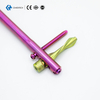
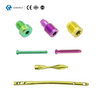
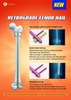
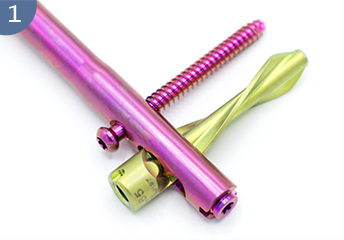
What Is a Distal Femur Intramedullary Nail (DFN)?
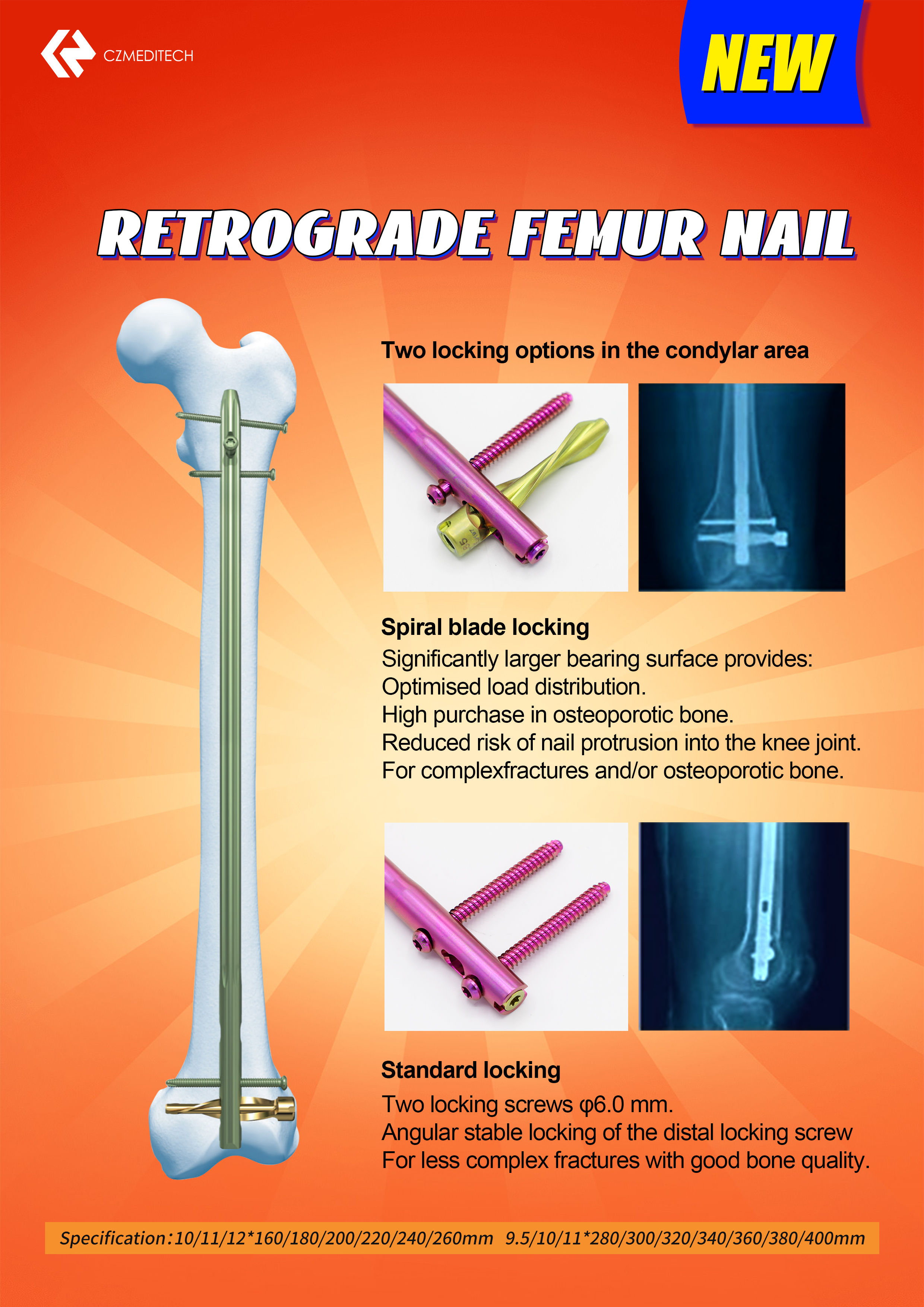
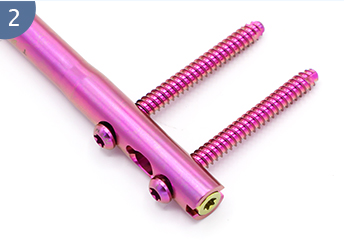
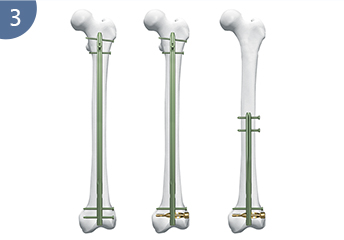
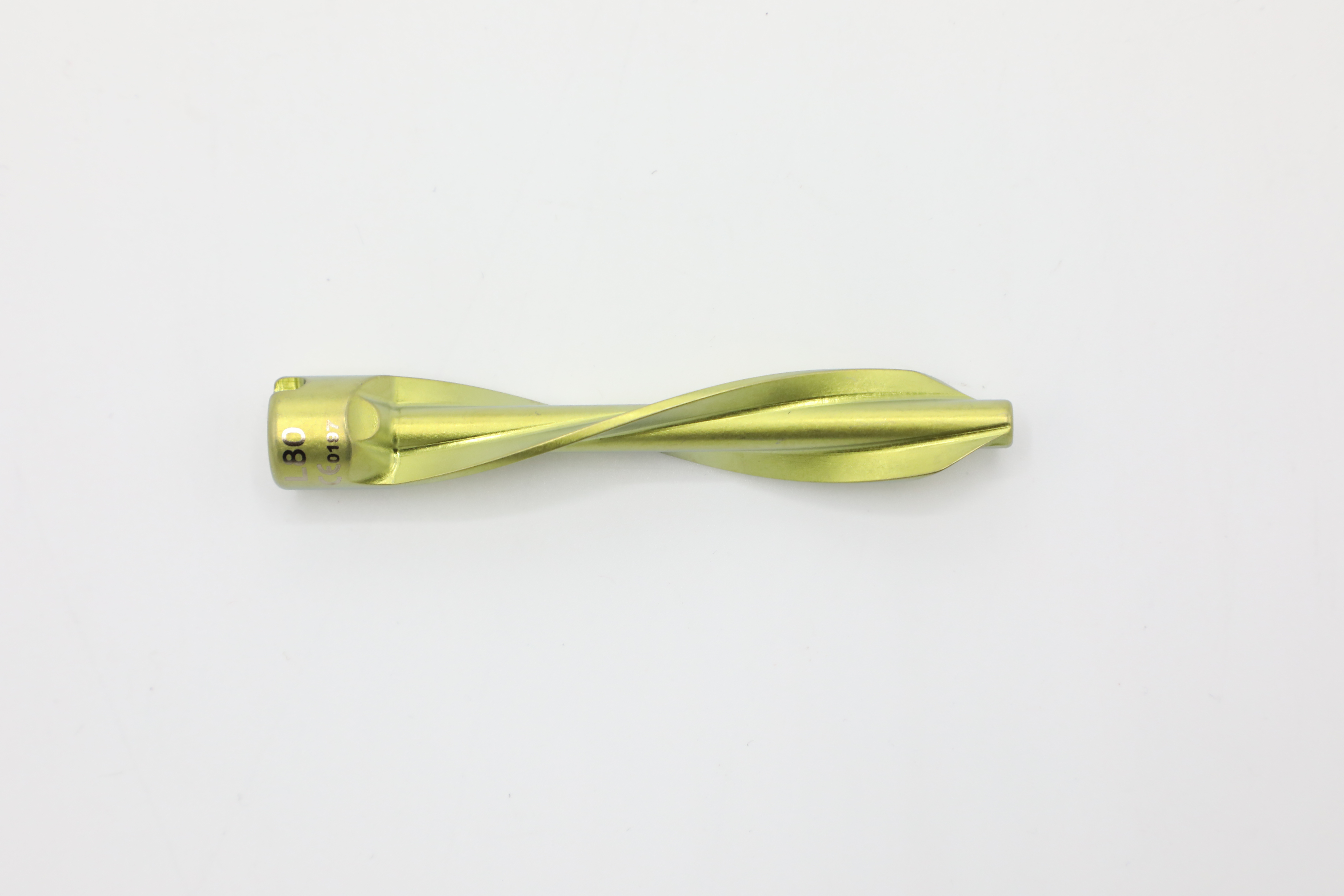
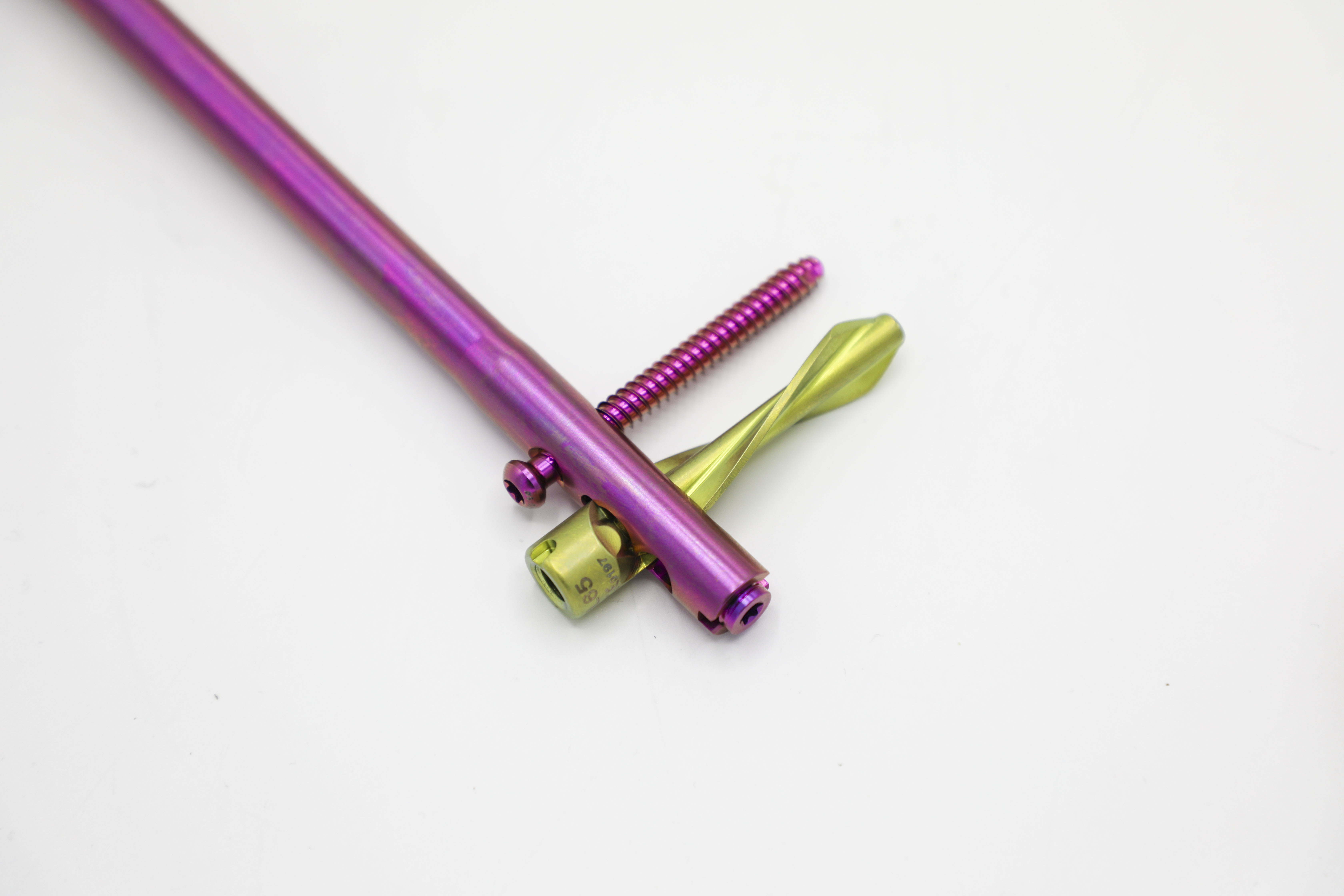
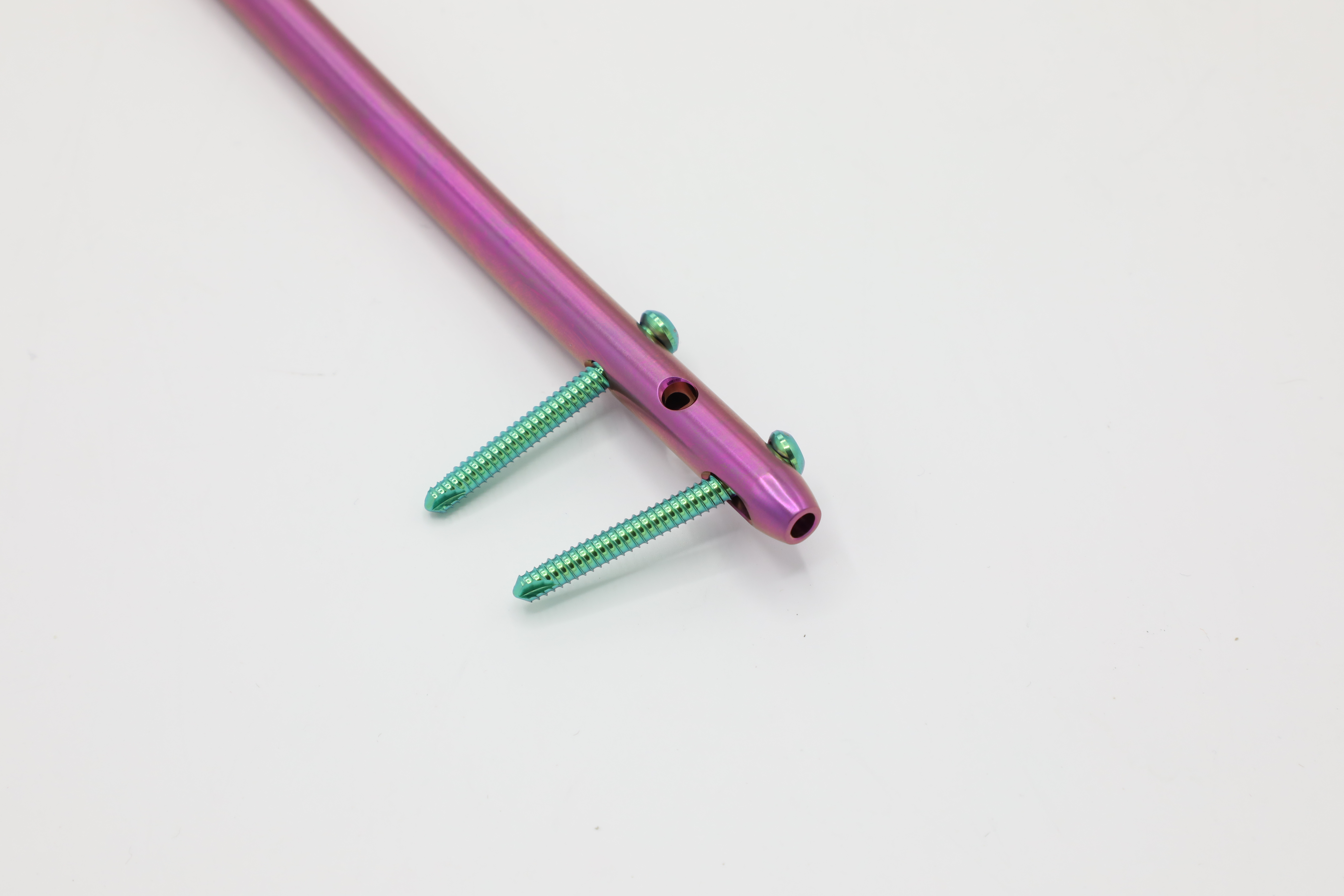
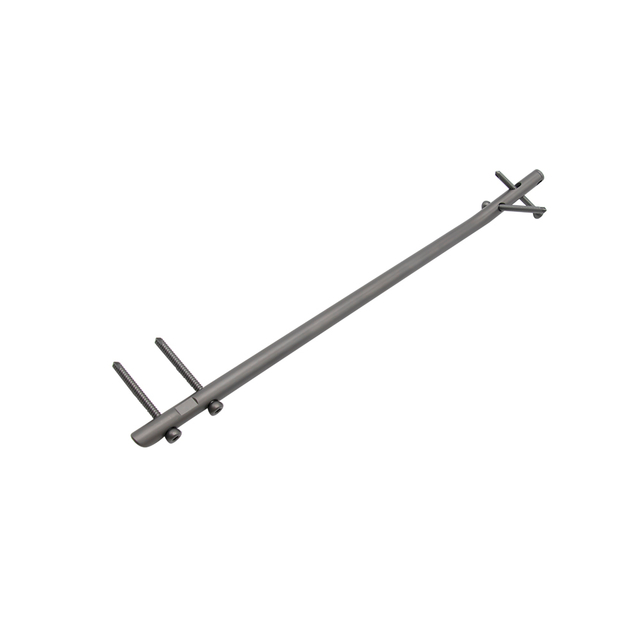
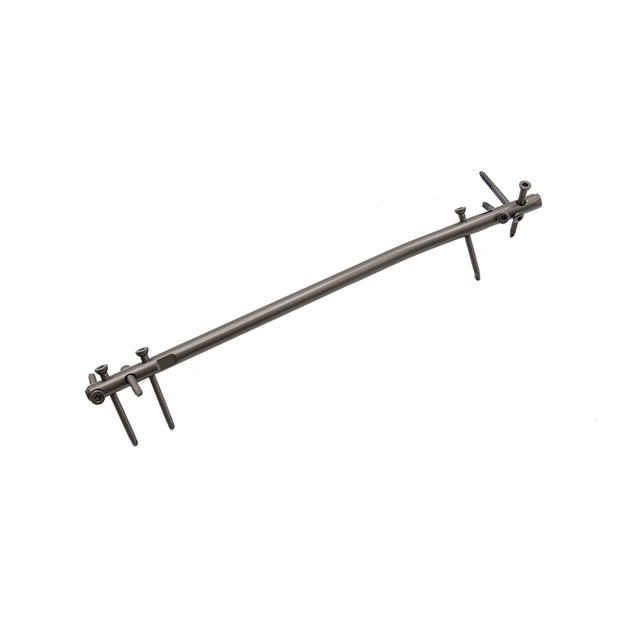
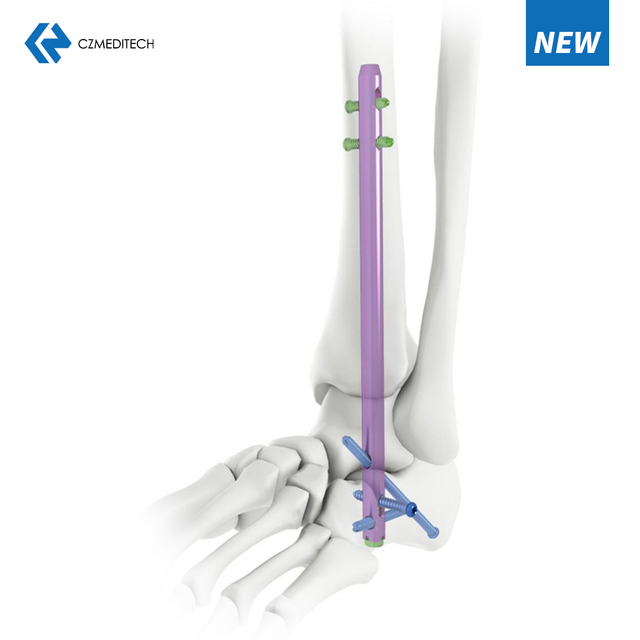
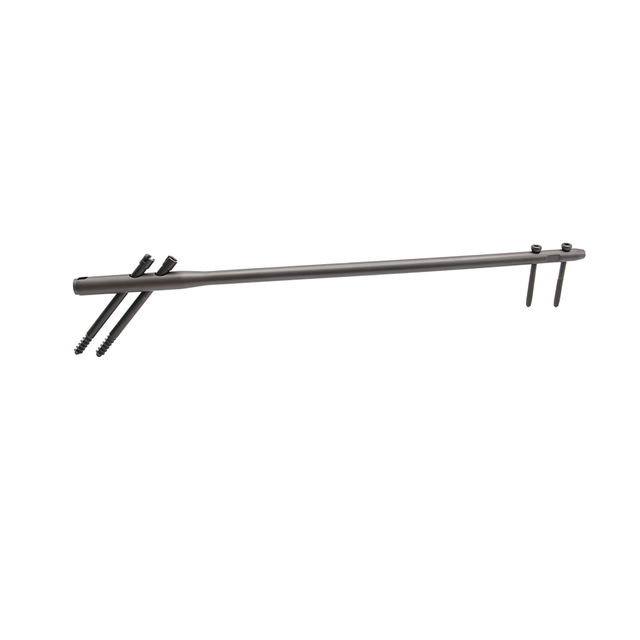
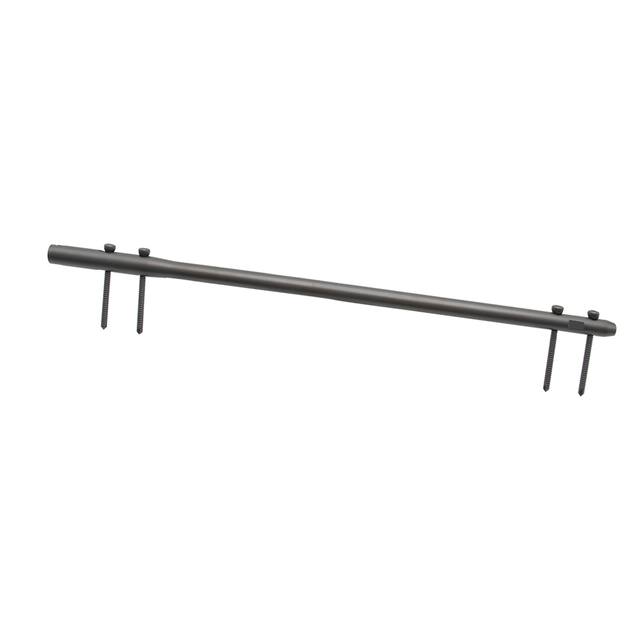
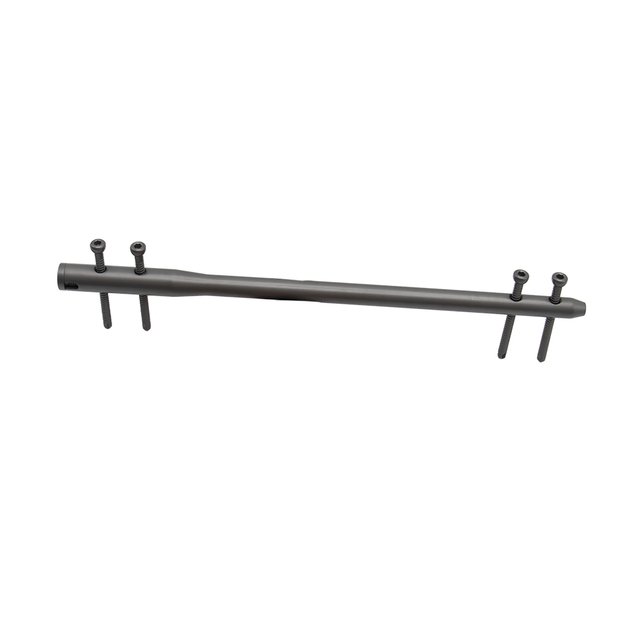
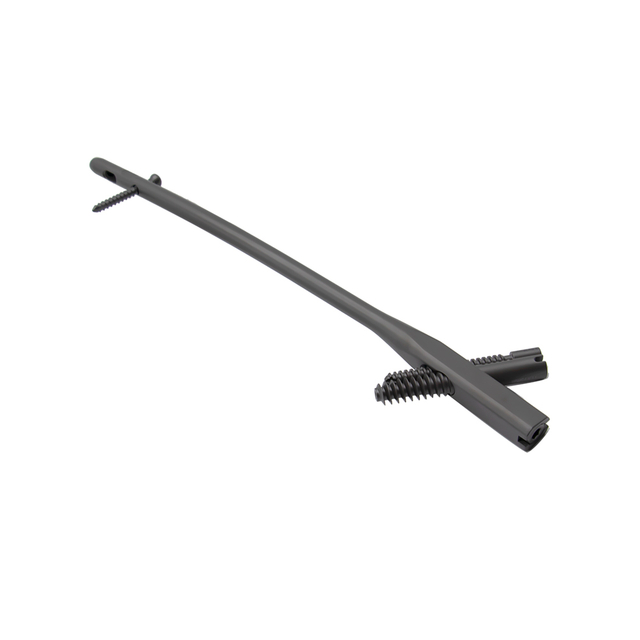
A Distal Femur Intramedullary Nail (DFN) is an internal fixation implant designed for the stabilization of fractures involving the distal femoral metaphysis and diaphysis. Inserted through a minimally invasive approach, the DFN system provides axial and rotational stability by occupying the medullary canal and anchoring the fracture fragments with locking screws.
Compared with traditional plate fixation, DFN systems function as load-sharing implants, making them particularly suitable for complex distal femur fractures where early mobilization and biomechanical stability are critical.
Definition and Core Function of DFN System
The primary function of a DFN system is to restore femoral alignment, length, and rotational stability following traumatic injury. By centralizing fixation within the femoral canal, the nail efficiently transmits physiological loads along the mechanical axis of the femur.
DFN vs Plate Fixation in Distal Femur Fractures
While locking plates rely on surface fixation and may require extensive soft tissue exposure, DFN systems minimize periosteal disruption and preserve fracture biology. This makes intramedullary nailing a preferred option in many high-energy or osteoporotic fracture scenarios.
Clinical Indications for Distal Femur Intramedullary Nailing
Distal femur intramedullary nails are indicated for a wide range of traumatic and pathological conditions involving the lower femur.
AO/OTA Distal Femur Fracture Classification Coverage
DFN systems are commonly used in AO/OTA 33-A and selected 33-C fracture patterns, including extra-articular, metaphyseal, and certain intra-articular fractures when combined with appropriate reduction techniques.
Indications in Osteoporotic and Geriatric Patients
In elderly patients with osteoporotic bone, DFN fixation offers enhanced axial stability and reduced risk of fixation failure compared to conventional plating systems.
Design Features of the DFN System
Anatomical Nail Geometry for Distal Femur Alignment
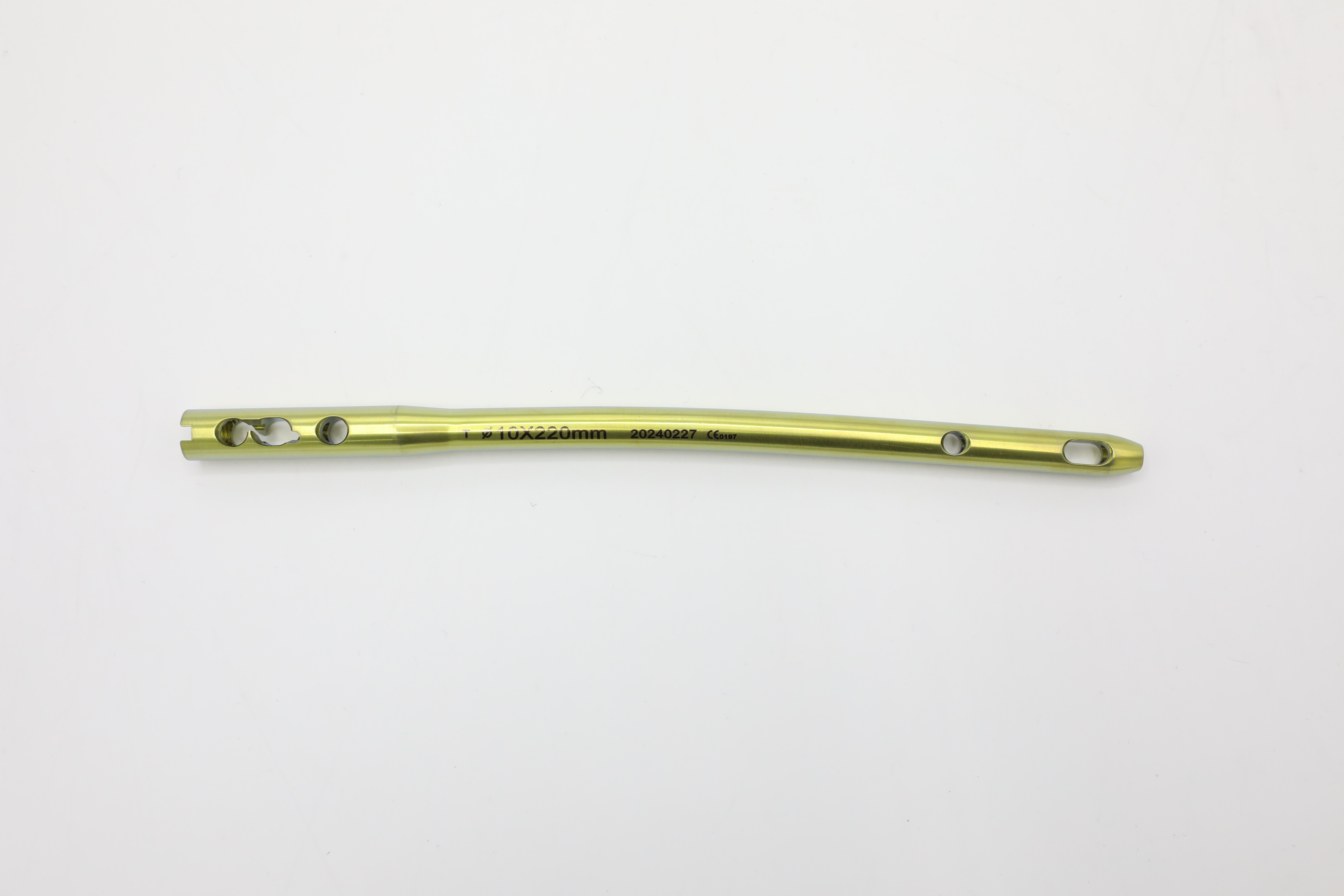
The nail features an anatomically contoured design that matches the natural curvature of the femur, facilitating accurate insertion and reducing intraoperative malalignment.
Multi-Directional Distal Locking Options
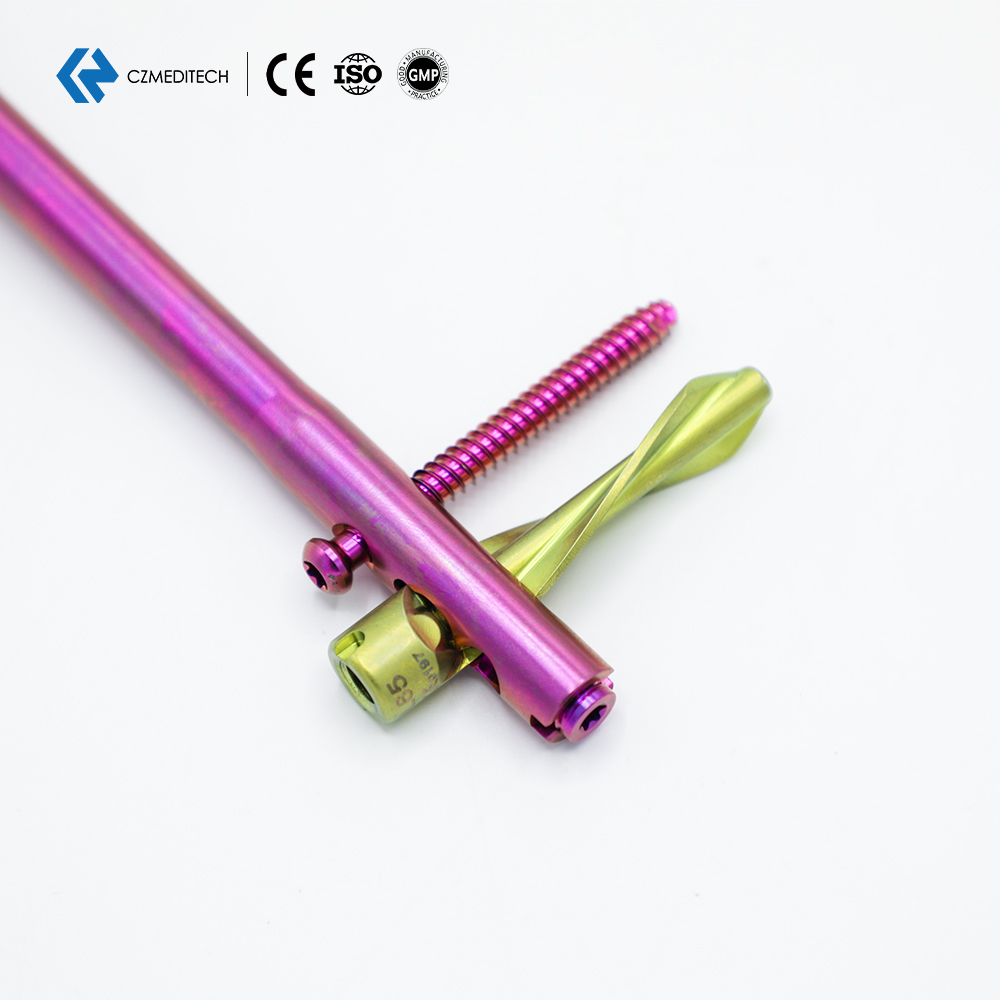
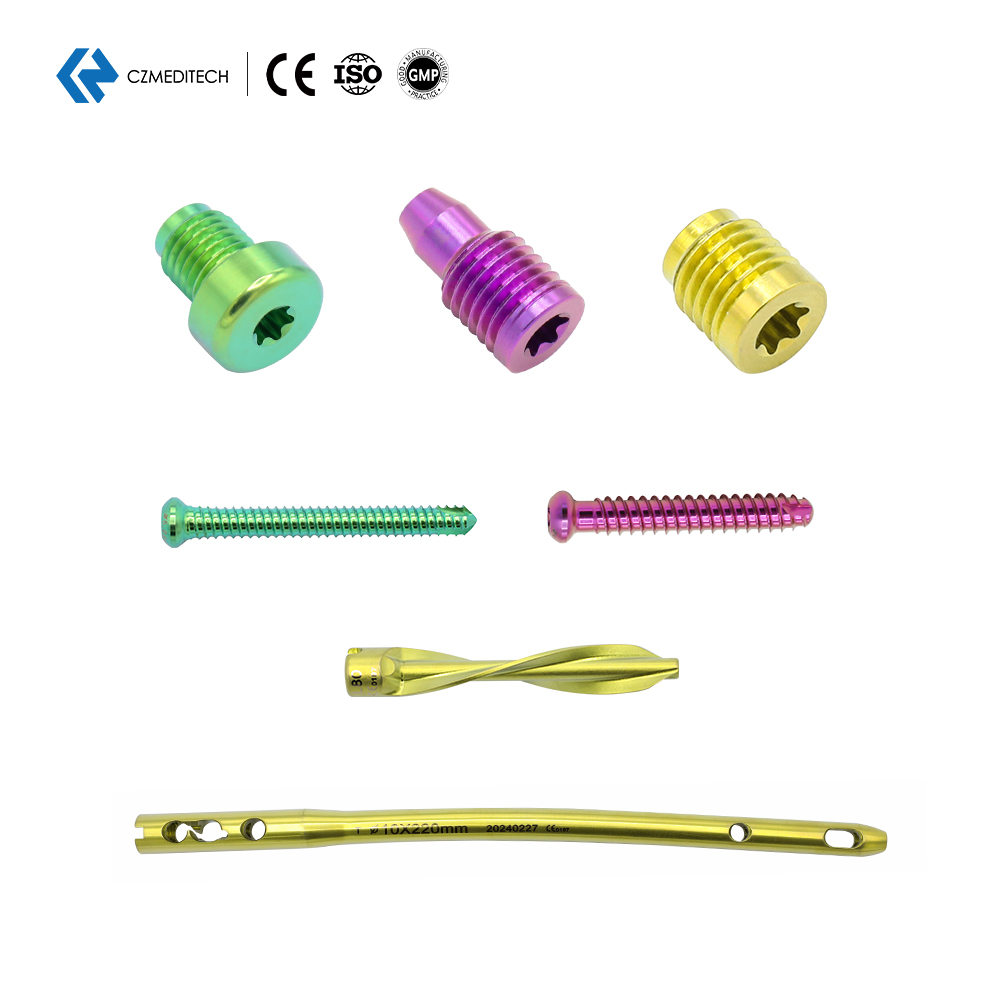
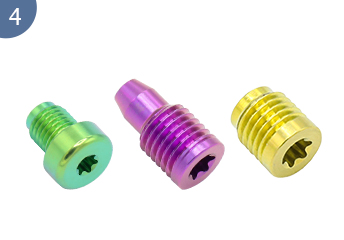
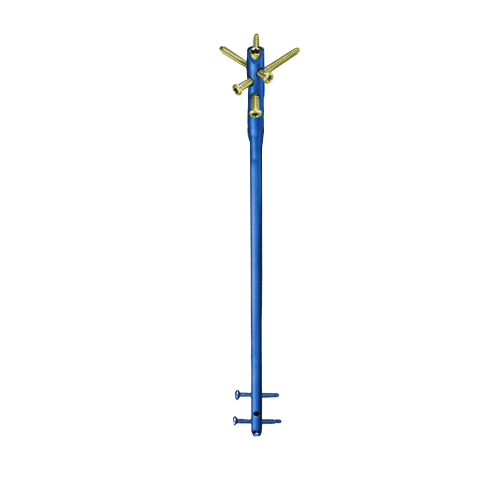
Multiple distal locking screw configurations allow surgeons to address complex fracture patterns and achieve secure fixation in the metaphyseal region.
Proximal Locking and Length Stability Control
Proximal locking options ensure axial and rotational control, maintaining limb length and preventing implant migration during healing.
Biomechanical Advantages of Distal Femur Intramedullary Nails
Load-Sharing Fixation for Early Weight Bearing
By distributing load through the medullary canal, DFN systems support early functional rehabilitation and controlled weight bearing.
Reduced Soft Tissue Disruption Compared to Plating
The minimally invasive nature of DFN insertion preserves surrounding soft tissue and vascular supply, promoting faster recovery and reduced complication rates.
Surgical Technique and Instrument Compatibility
Minimally Invasive Surgical Approach (MIS Technique)
DFN implantation is performed using percutaneous techniques that reduce operative time, blood loss, and postoperative pain.
Dedicated Instrument Set for Accurate Nail Insertion
A complete instrument set ensures precise nail positioning, controlled reaming, and accurate screw placement during surgery.
Material, Manufacturing, and Surface Treatment
Medical-Grade Titanium Alloy Construction
The DFN system is manufactured from high-strength medical-grade titanium alloy, offering excellent biocompatibility and mechanical performance.
Surface Finish and Corrosion Resistance
Advanced surface treatments enhance fatigue resistance and long-term corrosion protection, ensuring implant durability in vivo.
Clinical Outcomes and Advantages in Global Practice
Stable Fixation in Complex and Comminuted Fractures
DFN systems have demonstrated reliable outcomes in managing comminuted and high-energy distal femur fractures across global trauma centers.
Clinical Benefits for Hospitals and Trauma Centers
Surgeons benefit from simplified surgical workflows, while hospitals gain from reduced complication rates and shorter patient recovery times.
Quality Standards, Certifications, and OEM Supply Capability
Compliance with CE and International Quality Standards
The DFN system is manufactured under certified quality management systems and complies with international medical device regulations.
OEM / ODM Customization for Global Distributors
CZMEDITECH provides OEM and ODM services, supporting customized specifications, branding, and packaging for global orthopedic distributors.
Frequently Asked Questions About DFN Systems
What fractures are best treated with a DFN system?
DFN systems are ideal for distal femur fractures requiring stable intramedullary fixation, particularly in complex or osteoporotic cases.
Is DFN suitable for osteoporotic bone?
Yes. The intramedullary load-sharing design offers superior stability in osteoporotic patients.
DFN vs locking plate: which is better?
The choice depends on fracture type and patient condition, but DFN often provides biomechanical advantages in axial loading.
What nail diameters and lengths are available?
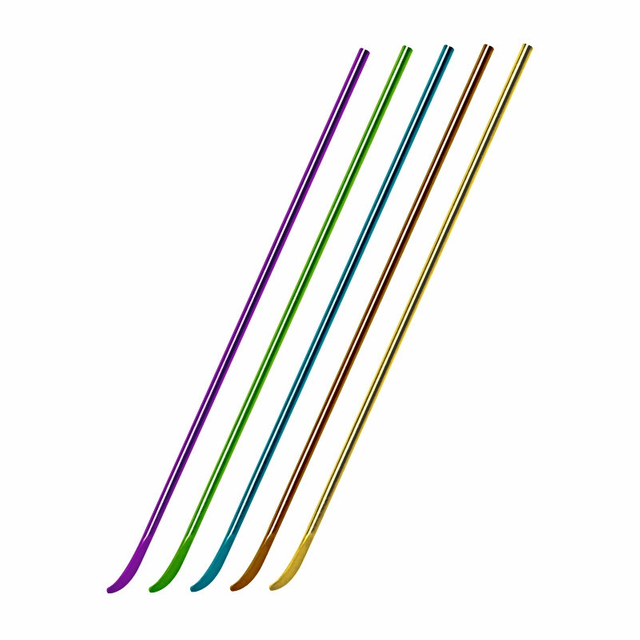
DFN systems are available in multiple diameters and lengths to accommodate anatomical variability.