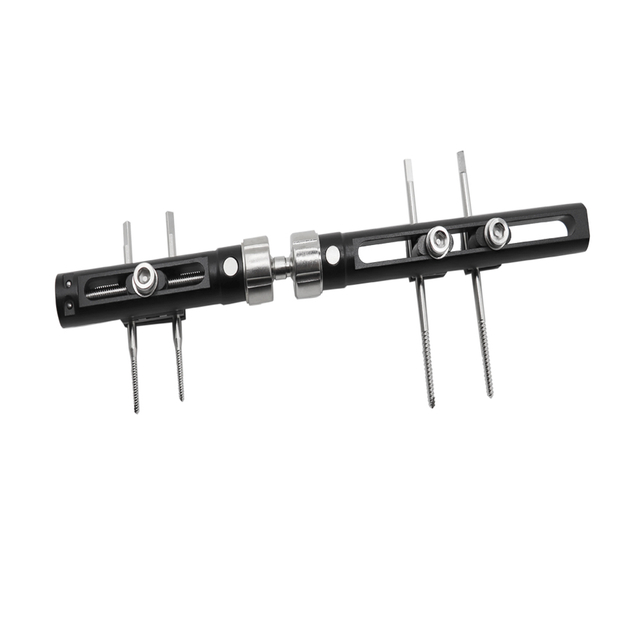
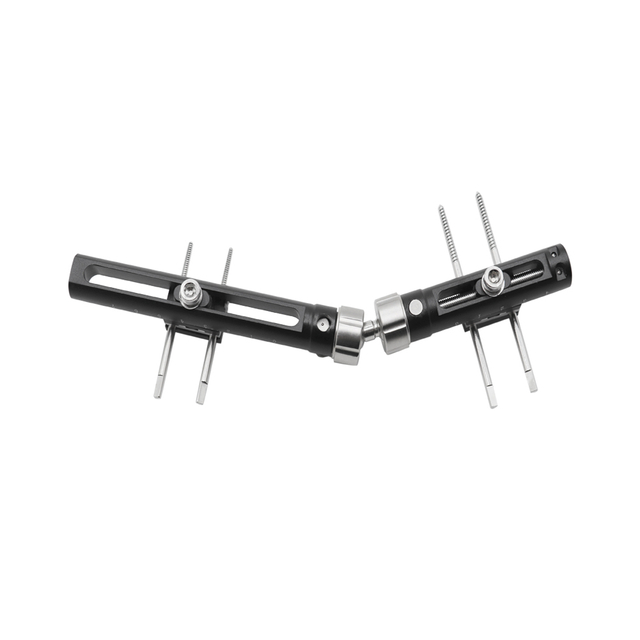
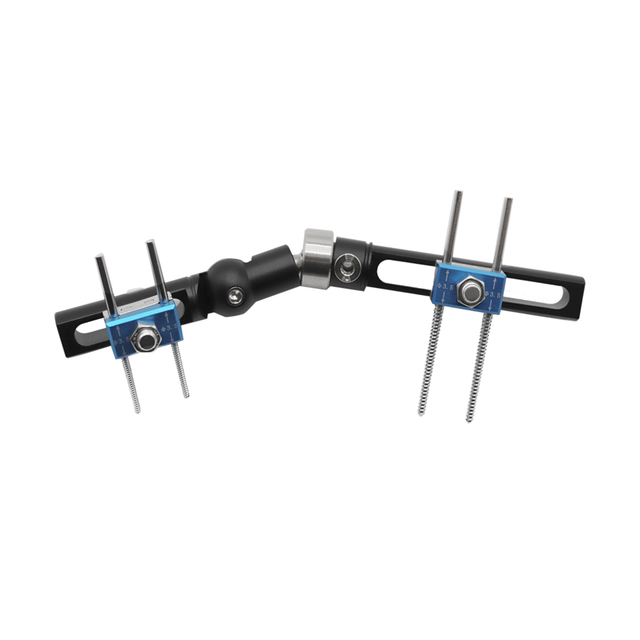
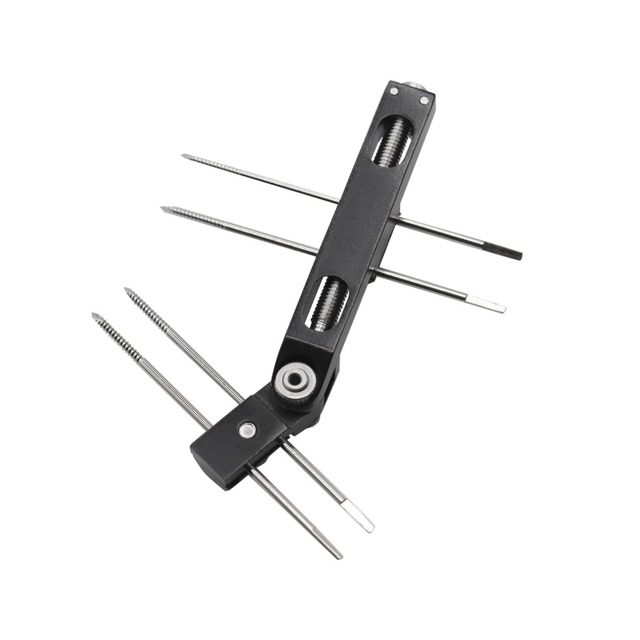
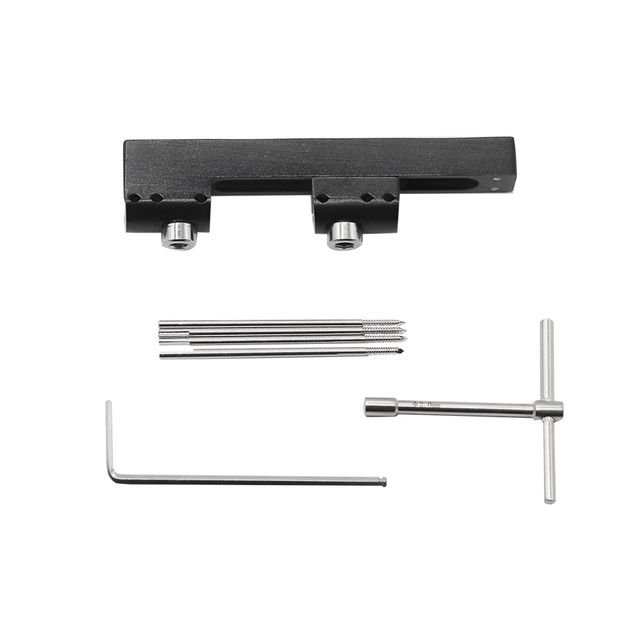
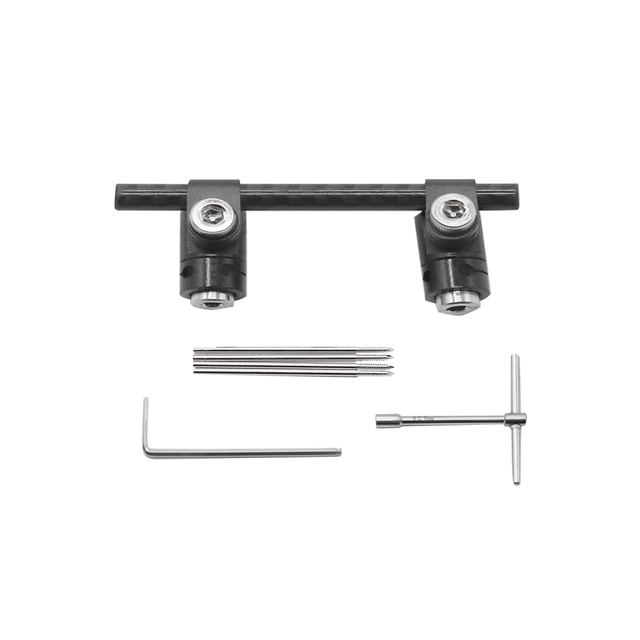
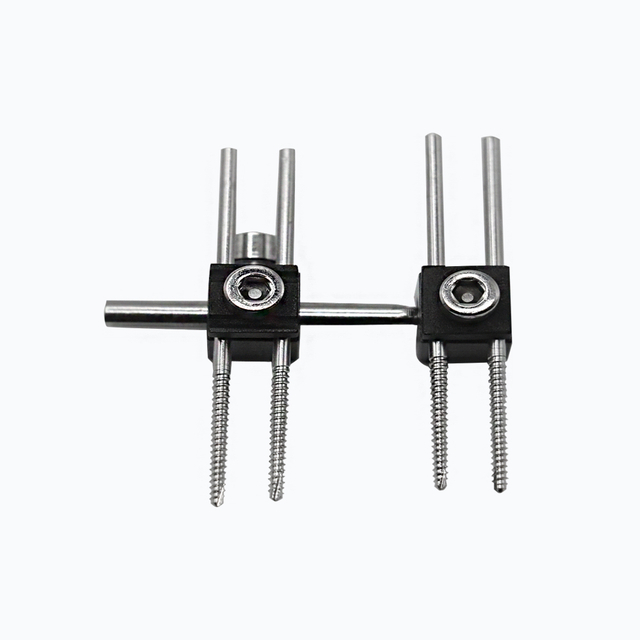
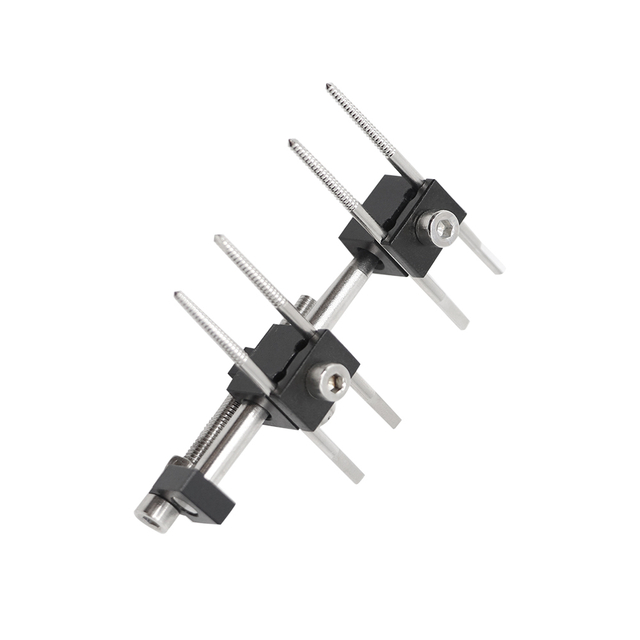
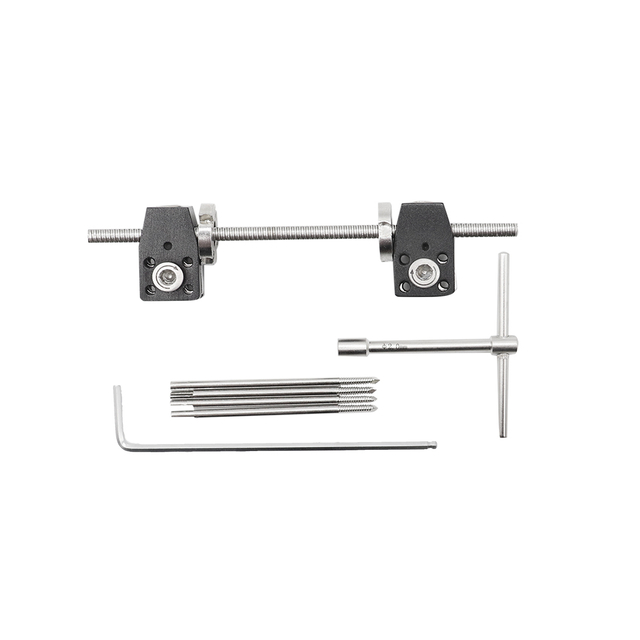
What Is a Knee Joint External Fixator
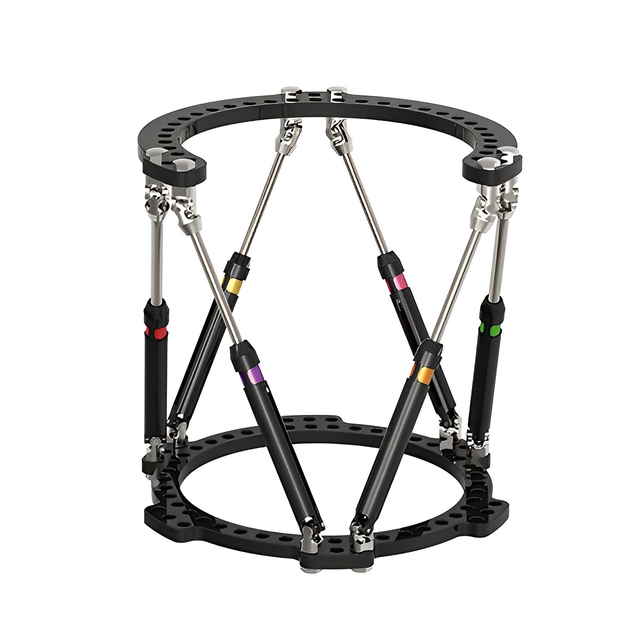
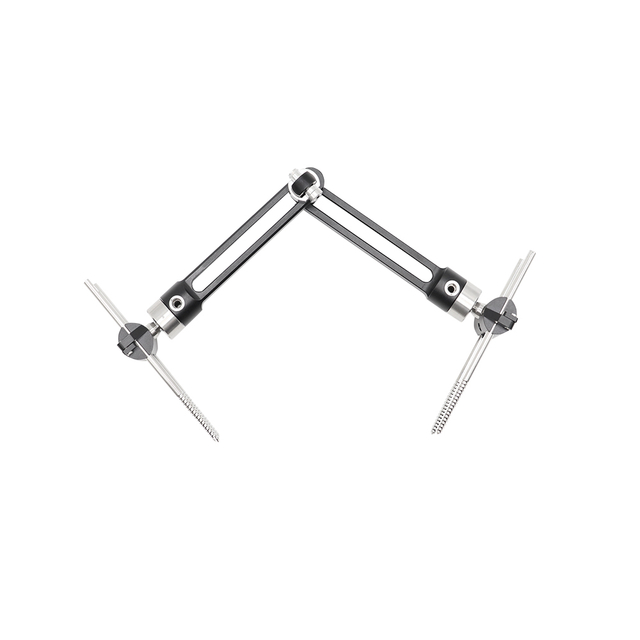
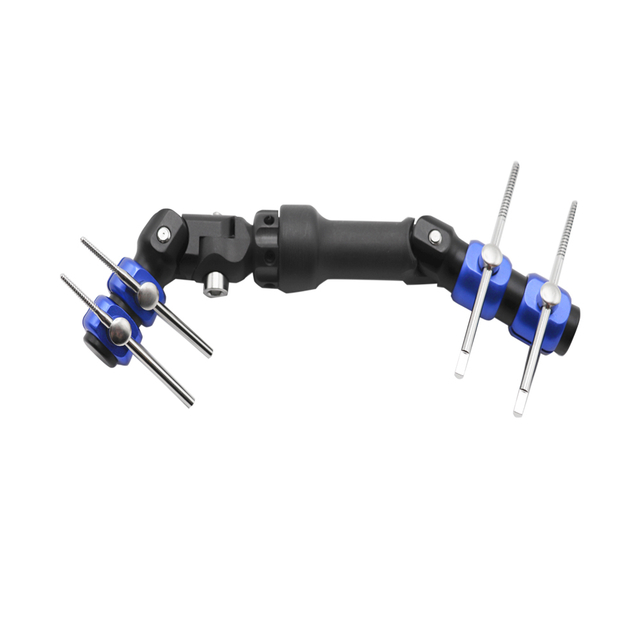
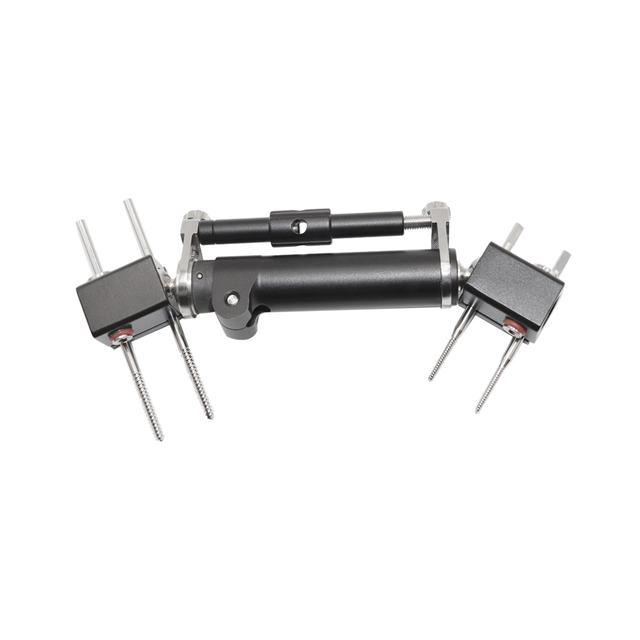
A Knee Joint External Fixator is an orthopedic external fixation device designed to stabilize the knee joint in cases of severe trauma, ligament injury, joint dislocation, or complex periarticular fractures. The system is applied externally and connected to the femur and tibia using percutaneous pins or screws, allowing accurate alignment and controlled joint stabilization.
Knee joint external fixation is commonly used when internal fixation is contraindicated due to extensive soft tissue damage, infection risk, or the need for staged surgical management. It plays a critical role in modern trauma and reconstructive orthopedic surgery.
Clinical Indications for Knee Joint External Fixator Systems
Knee joint external fixators are widely indicated in high-energy trauma and complex knee injuries where immediate internal fixation is not advisable.
High-Energy Knee Trauma and Complex Periarticular Fractures
In cases involving distal femur fractures, proximal tibial fractures, or fractures extending into the knee joint, external fixation provides rapid stabilization and maintains limb alignment. This is especially important in polytrauma patients requiring damage control orthopedics.
Ligament Injury, Knee Dislocation, and Soft Tissue Protection
Hinged knee joint external fixators are frequently used in knee dislocations and severe ligament injuries. The system maintains joint alignment while protecting soft tissues, neurovascular structures, and reconstructed ligaments during the healing phase.
Infection Control, Open Fractures, and Staged Treatment
For open fractures or infected knee conditions, external fixation allows stabilization without placing implants directly into contaminated tissue. It is often used as part of a staged treatment strategy prior to definitive reconstruction.
Structural Design of the Knee Joint External Fixator
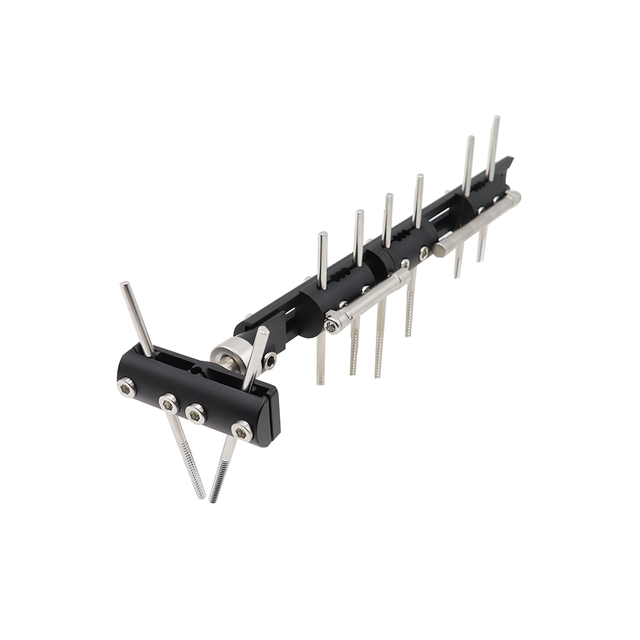
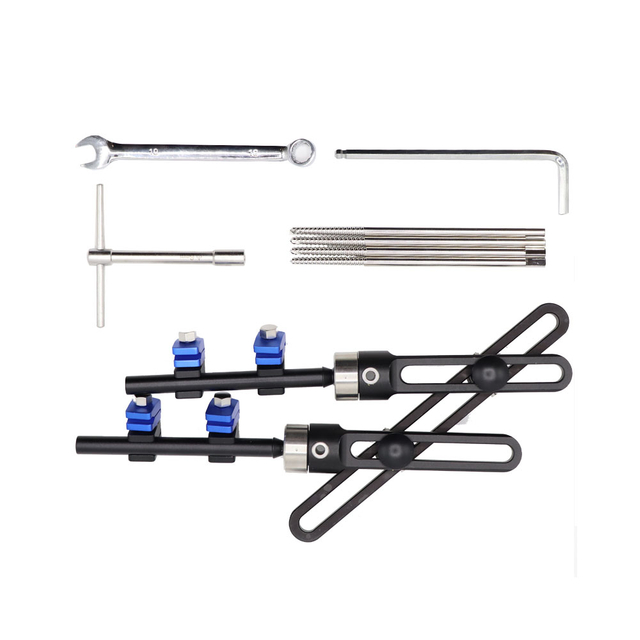
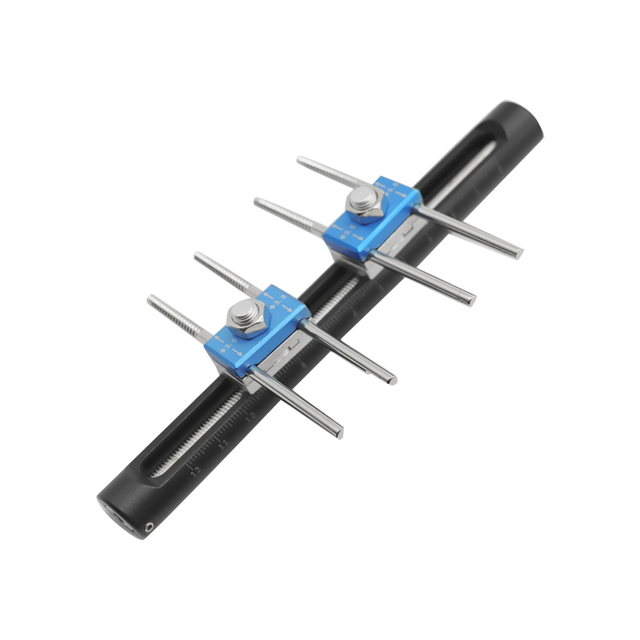
The knee joint external fixator features a modular frame structure designed for flexibility, stability, and precise adjustment.
Hinged Knee Joint Mechanism for Controlled Motion
The integrated hinged knee joint mechanism allows controlled flexion and extension while maintaining axial and rotational stability. This design supports early mobilization and functional rehabilitation without compromising joint alignment.
Adjustable Rods, Clamps, and Pin Configuration
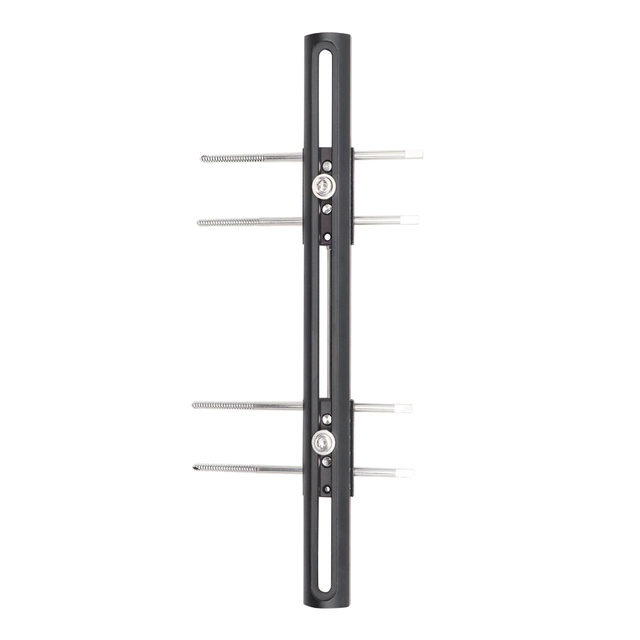
The system includes adjustable rods and multi-directional clamps that allow surgeons to customize the frame according to patient anatomy and surgical requirements.
Multi-Axial Adjustment for Anatomical Alignment
Multi-axial adjustment enables fine-tuning of femoral and tibial alignment, helping to restore physiological knee motion and reduce postoperative complications.
Surgical Advantages of a Hinged Knee External Fixator
A hinged knee joint external fixator offers significant advantages in complex knee management by combining stability with functional preservation.
Maintaining Joint Stability While Allowing Early Motion
Unlike rigid fixation systems, hinged external fixators allow controlled early range-of-motion exercises, which can reduce joint stiffness and improve long-term functional outcomes.
Minimizing Soft Tissue Complications and Joint Stiffness
By avoiding extensive internal dissection, external fixation reduces the risk of soft tissue complications, wound breakdown, and postoperative infection.
Material Selection and Biomechanical Performance
Material selection plays a key role in the mechanical performance and clinical reliability of knee joint external fixators.
High-Strength Aluminum Alloy and Stainless Steel Components
The frame components are manufactured from high-strength aluminum alloy and medical-grade stainless steel, offering durability, corrosion resistance, and lightweight handling.
Load Sharing and Axial Stability Around the Knee Joint
The fixator is designed to provide balanced load sharing across the knee joint while maintaining axial stability, supporting both fracture healing and ligament recovery.
Compatibility with Orthopedic Trauma and Sports Medicine Procedures
Knee joint external fixators are compatible with a wide range of orthopedic trauma and sports medicine applications.
Integration with Ligament Reconstruction and Fracture Fixation
The system can be used in combination with ligament reconstruction procedures, internal fixation, or bone grafting as part of a comprehensive treatment plan.
Use in Damage Control Orthopedics (DCO)
In damage control orthopedics, knee external fixation provides rapid stabilization, allowing time for patient resuscitation and soft tissue recovery before definitive surgery.
Manufacturing Standards and Quality Assurance by CZMEDITECH
CZMEDITECH manufactures knee joint external fixators under strict quality management systems to ensure consistent performance and reliability.
ISO and CE Compliance for External Fixation Devices
All products are manufactured in compliance with ISO quality standards and CE requirements for orthopedic external fixation devices.
Precision Manufacturing and Surface Treatment
Advanced machining processes and surface treatments are applied to ensure dimensional accuracy, smooth operation, and long-term durability.
OEM / ODM Supply and Customization Options
CZMEDITECH offers comprehensive OEM and ODM services for knee joint external fixator systems.
Customized Frame Configuration and Branding
Customization options include frame configuration, component selection, and private labeling to meet specific clinical or market requirements.
Global Distribution and B2B Supply Capability
With established global supply capabilities, CZMEDITECH supports distributors, hospitals, and orthopedic companies worldwide.
Frequently Asked Questions About Knee Joint External Fixators
What is a knee joint external fixator used for?
A knee joint external fixator is used to stabilize the knee joint in cases of trauma, ligament injury, joint dislocation, complex fractures, or staged orthopedic treatment.
Can early knee motion be allowed with a hinged external fixator?
Yes. Hinged knee joint external fixators are designed to allow controlled early range-of-motion exercises while maintaining joint stability.
Is a knee joint external fixator suitable for temporary or long-term use?
The system can be used for both temporary stabilization and longer-term fixation depending on the clinical indication and treatment plan.
Is OEM or ODM customization available?
Yes. CZMEDITECH provides OEM and ODM services, including structural customization and branding options.