What Is a Titanium Mesh Cage in Spine Surgery
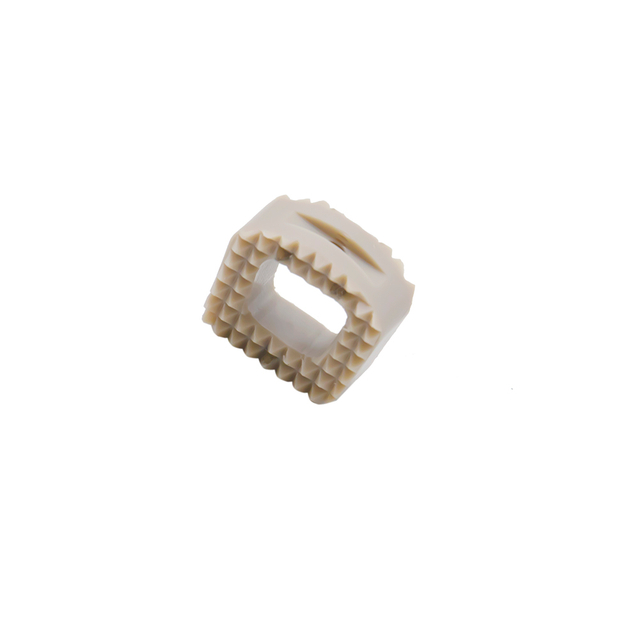
A titanium mesh cage is a structural spinal implant designed to replace the vertebral body following partial or complete corpectomy. Unlike solid interbody devices, the mesh cage features an open cylindrical architecture that allows direct contact between bone graft material and adjacent vertebral endplates.
In spinal surgery, titanium mesh cages function as load-bearing implants that restore anterior column integrity while supporting biological fusion. They are widely regarded as foundational implants in complex spinal reconstruction, particularly in cases involving vertebral body loss due to trauma, tumor resection, infection, or advanced degeneration.
Role of Titanium Mesh Cage in Anterior Column Reconstruction
The anterior column plays a critical role in maintaining spinal alignment, axial load transmission, and sagittal balance. When this column is compromised, reconstruction must address both mechanical stability and biological fusion.
Titanium mesh cages provide immediate structural support to the anterior column while serving as a containment device for bone grafts. By restoring vertebral height and maintaining disc space, the cage enables proper load-sharing and reduces excessive stress on posterior fixation systems.
Why Titanium Mesh Cages Are Preferred After Corpectomy
Following corpectomy, surgeons require an implant that can adapt to irregular defect sizes, provide sufficient axial strength, and promote fusion. Titanium mesh cages meet these requirements through intraoperative length customization and large graft capacity.
Compared with solid vertebral body replacement implants, mesh cages allow greater biological integration while maintaining mechanical reliability, making them a preferred choice in multi-level and high-load spinal reconstructions.
Clinical Indications for Titanium Mesh Cage Implantation
Corpectomy for Cervical, Thoracic and Lumbar Spine
Titanium mesh cages are extensively used after cervical, thoracic, and lumbar corpectomy procedures. In these surgeries, removal of the vertebral body creates a critical structural void that must be reconstructed to prevent collapse and neurological compromise.
The cage restores spinal continuity and enables controlled fusion across the defect while maintaining proper spinal alignment.
Spinal Trauma with Vertebral Body Collapse
In high-energy spinal trauma, vertebral body collapse often results in anterior column failure. Titanium mesh cages provide immediate mechanical stabilization and help re-establish vertebral height, reducing kyphotic deformity and supporting neurological recovery.
Spinal Tumor Resection and Structural Reconstruction
Tumor-related vertebral destruction frequently requires aggressive resection followed by reconstruction. Titanium mesh cages allow surgeons to reconstruct large defects while accommodating adjuvant therapies such as radiotherapy.
Their durability and adaptability make them suitable for oncologic spine surgery.
Spinal Infection and Revision Surgery Applications
In cases of spinal infection or failed prior reconstruction, titanium mesh cages offer a reliable solution for restoring stability while supporting fusion in compromised biological environments.
Spinal Anatomy Applications: Cervical, Thoracic and Lumbar Regions
Anterior Cervical Spine Reconstruction
In cervical applications, titanium mesh cages are used to restore vertebral height and cervical lordosis following corpectomy. Their ability to be precisely trimmed intraoperatively allows accurate anatomical reconstruction.
Thoracic Vertebral Body Replacement
Thoracic reconstructions demand high axial strength due to load transfer from the rib cage and thoracic spine. Titanium mesh cages provide sufficient mechanical resistance while supporting fusion across long segments.
Thoracolumbar Junction Stabilization
The thoracolumbar junction is a biomechanically complex transition zone. Titanium mesh cages help maintain alignment and reduce stress concentration in this critical region.
Lumbar Anterior Column Support
In lumbar reconstructions, titanium mesh cages restore anterior column height and support high load-bearing demands, often in combination with posterior pedicle screw systems.
Structural Design and Functional Advantages of Titanium Mesh Cage
Open Mesh Design for Bone Graft Integration
The open mesh structure maximizes surface contact between bone graft material and surrounding vertebral endplates, enhancing fusion potential and biological stability.
Axial Load Bearing and Load-Sharing Mechanics
Titanium mesh cages are engineered to withstand significant axial loads while enabling physiological load-sharing, reducing stress shielding and promoting bone remodeling.
Adjustable Length for Intraoperative Customization
Surgeons can trim the cage intraoperatively to match patient-specific anatomy, ensuring optimal fit and alignment restoration.
Stability and Migration Resistance
Surface friction and precise endplate contact help reduce the risk of implant migration and subsidence, particularly when combined with supplemental fixation.
Material Properties and Biomechanical Performance
Medical-Grade Titanium Alloy (Ti-6Al-4V)
The cage is manufactured from Ti-6Al-4V titanium alloy, widely used in orthopedic implants for its strength-to-weight ratio and corrosion resistance.
Biocompatibility and Corrosion Resistance
Titanium’s biocompatibility minimizes inflammatory response while maintaining long-term implant stability in the spinal environment.
Fatigue Strength and Long-Term Stability
The alloy’s fatigue resistance supports long-term performance under cyclic spinal loading conditions.
Imaging Compatibility and Artifact Reduction
Titanium mesh cages allow postoperative imaging assessment with reduced artifact interference compared to denser implant materials.
Compatibility with Anterior and Posterior Spinal Fixation Systems
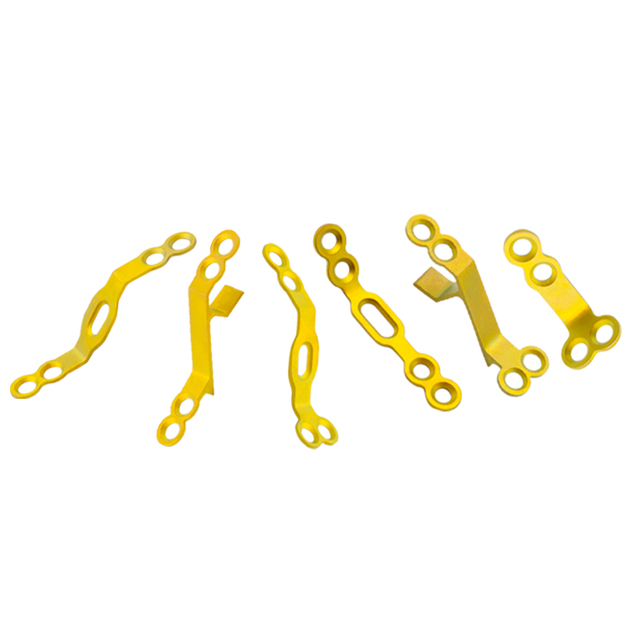
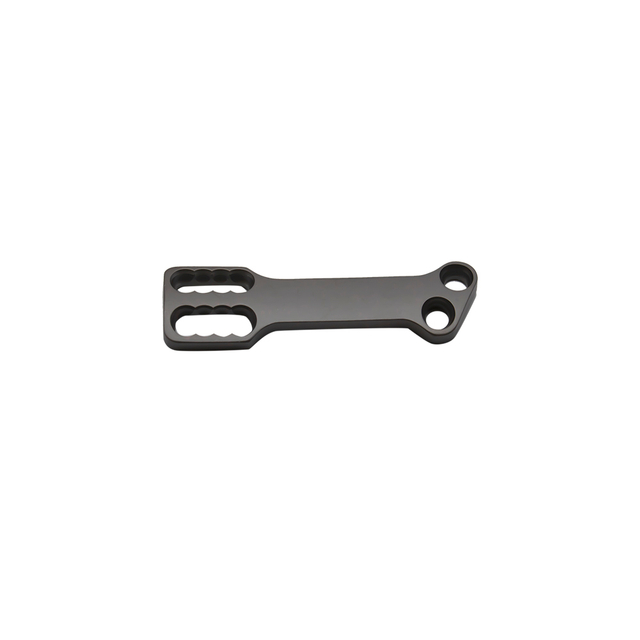
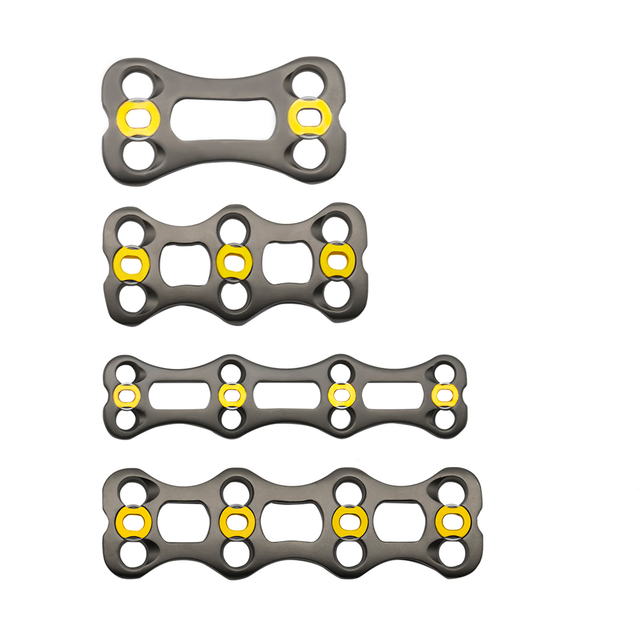
Use with Anterior Cervical and Thoracolumbar Plates
The cage integrates seamlessly with anterior plating systems to provide immediate stability.
Integration with Posterior Pedicle Screw Systems
Posterior fixation enhances overall construct rigidity and load distribution.
Anterior–Posterior Combined Fixation Strategies
Combined fixation strategies are commonly employed in complex reconstructions to maximize biomechanical stability.
Manufacturing Standards, Quality Control and Regulatory Compliance
ISO 13485 Quality Management System
All products are manufactured under ISO 13485-certified quality systems.
Material Traceability and Process Control
Full traceability ensures consistency and regulatory compliance.
Mechanical Testing and Dimensional Verification
Each batch undergoes mechanical and dimensional testing.
Sterilization Compatibility and Packaging Standards
Products are designed to meet international sterilization and packaging standards.
OEM Customization and Global Supply Capability by CZMEDITECH
Custom Size and Specification Options
CZMEDITECH offers multiple size configurations and customization options.
Private Label and Distributor Branding
OEM and private-label services support distributor branding strategies.
Stable Production Capacity and Lead Time
Efficient manufacturing ensures reliable supply for global partners.
International Logistics and Long-Term Partnership Support
Global logistics capabilities support long-term distributor cooperation.
Frequently Asked Questions About Titanium Mesh Cage
Q:What Is a Titanium Mesh Cage Used For?
It is used for vertebral body replacement and anterior column reconstruction.
Q:Which Spinal Regions Can It Be Applied To?
Cervical, thoracic, thoracolumbar, and lumbar regions.
Q:Can the Cage Be Filled with Bone Graft?
Yes, it accommodates autograft or allograft bone.
Q:Is It Compatible with Pedicle Screw Systems?
Yes, it is commonly combined with posterior fixation systems.
Q:Does CZMEDITECH Provide OEM Supply?
Yes, full OEM and customization services are available.