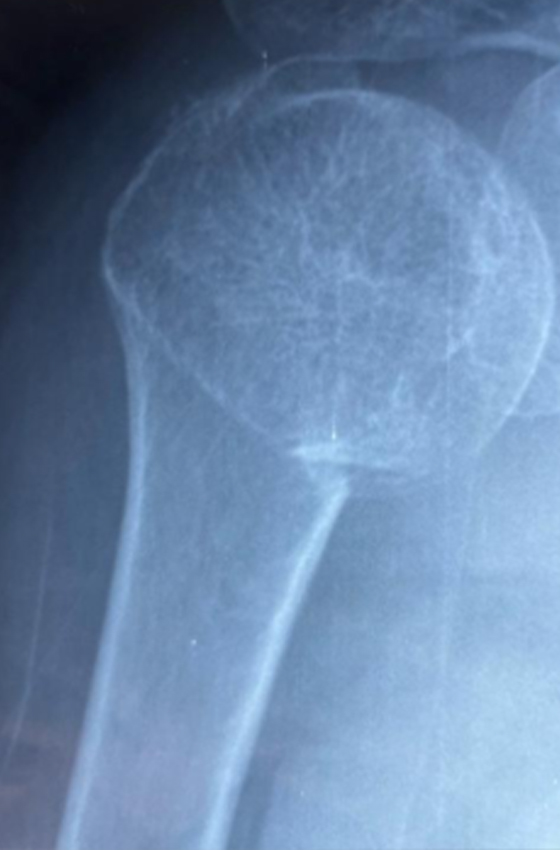
01 Preoperative Imaging
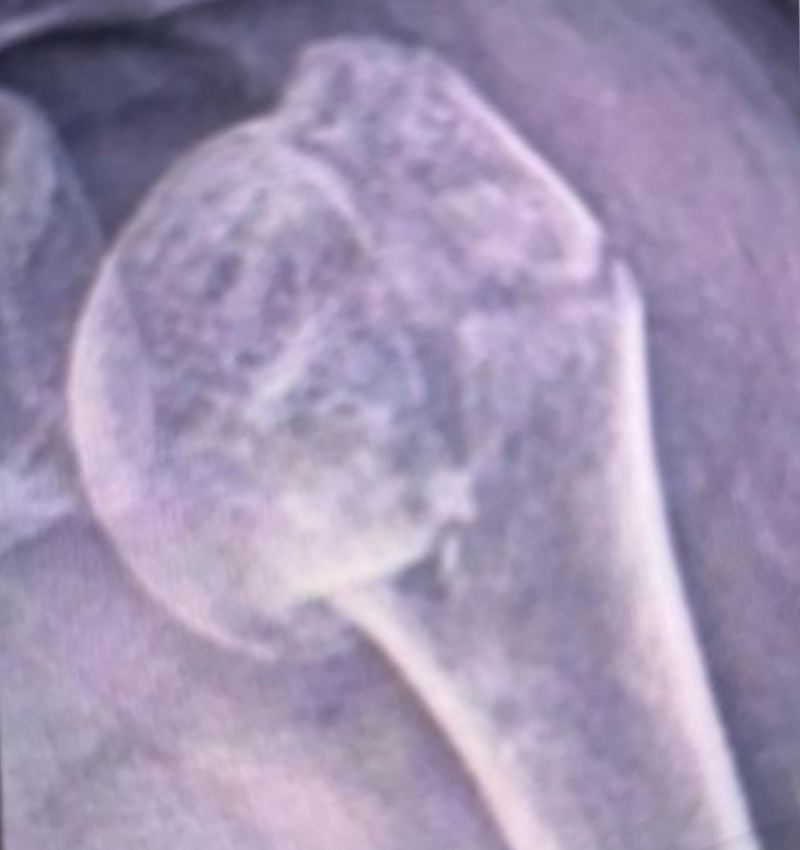
Preoperative X-ray showing humeral head fracture.

Views: 0 Author: Jerry Publish Time: 2026-09-19 Origin: Site



Stable Fixation. Functional Recovery. Better Quality of Life.
The multi-lock humeral nail provides reliable stability and is easy to use. The patient achieved a favourable postoperative recovery.


This clinical case from Tamaulipas, Mexico, describes a 55-year-old male patient who sustained a humeral head fracture in an accident. Following an assessment of the patient’s examination findings and physical condition, the surgical team selected fixation with a multi-lock humeral intramedullary nail.
Preoperative X-ray showing humeral head fracture.
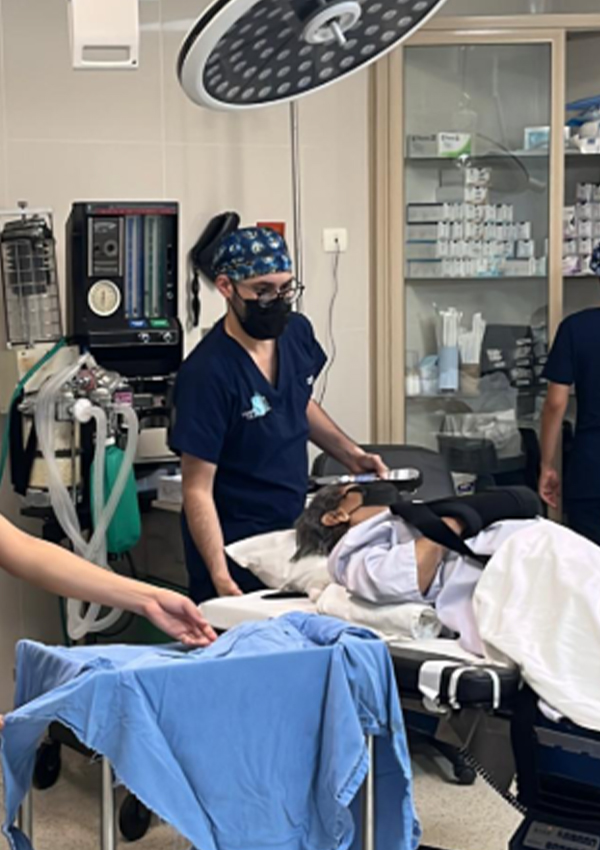
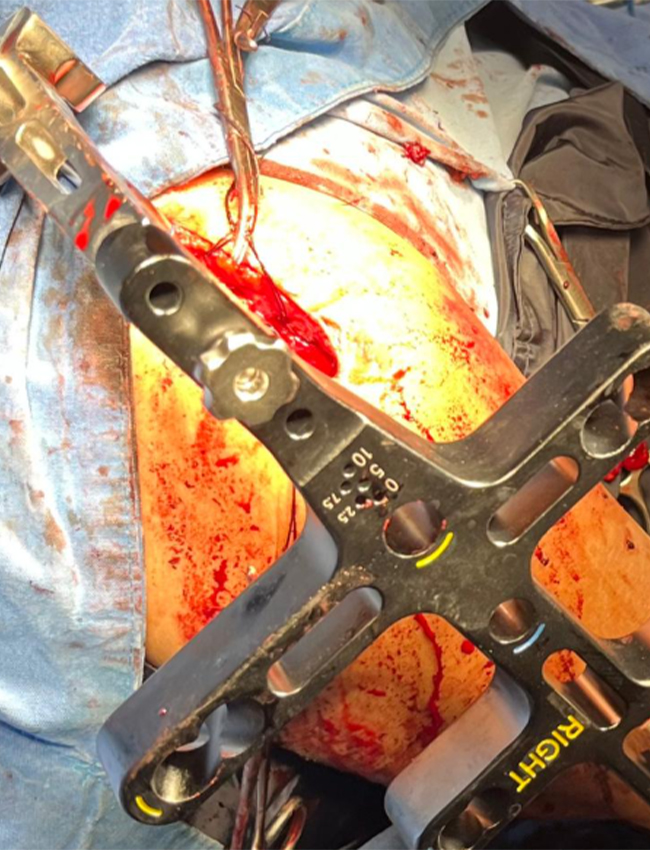
Intraoperative images showing implant insertion and fixation.
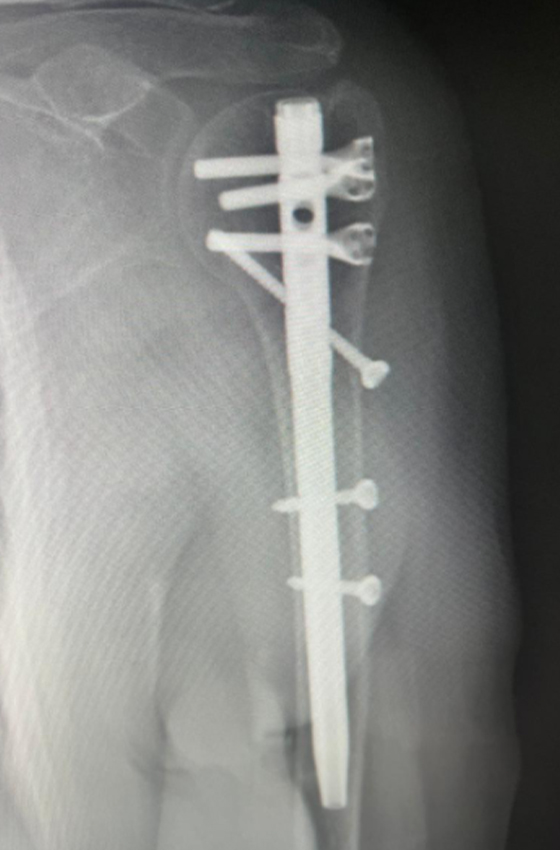
Postoperative X-ray showing good reduction and stable fixation.
The case presentation includes preoperative, intraoperative, and postoperative imaging of the humeral head fracture. These images document the fracture before treatment, implant insertion and fixation during surgery, and the appearance of the proximal humerus after humeral intramedullary nail fixation.
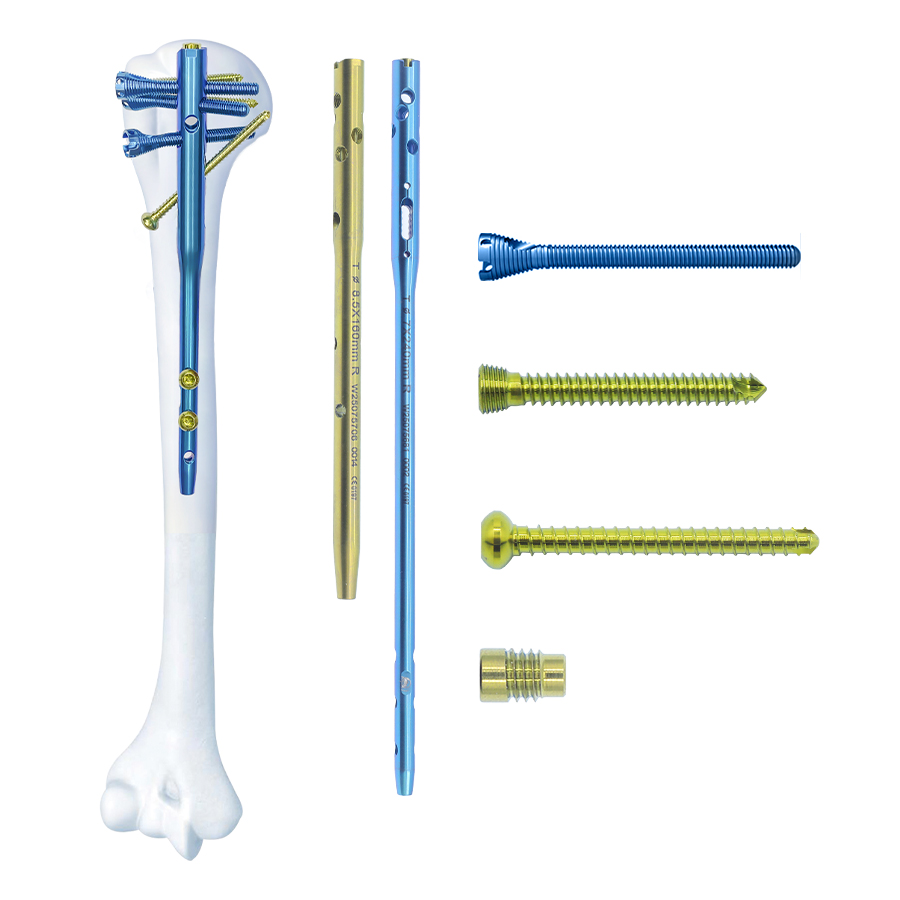
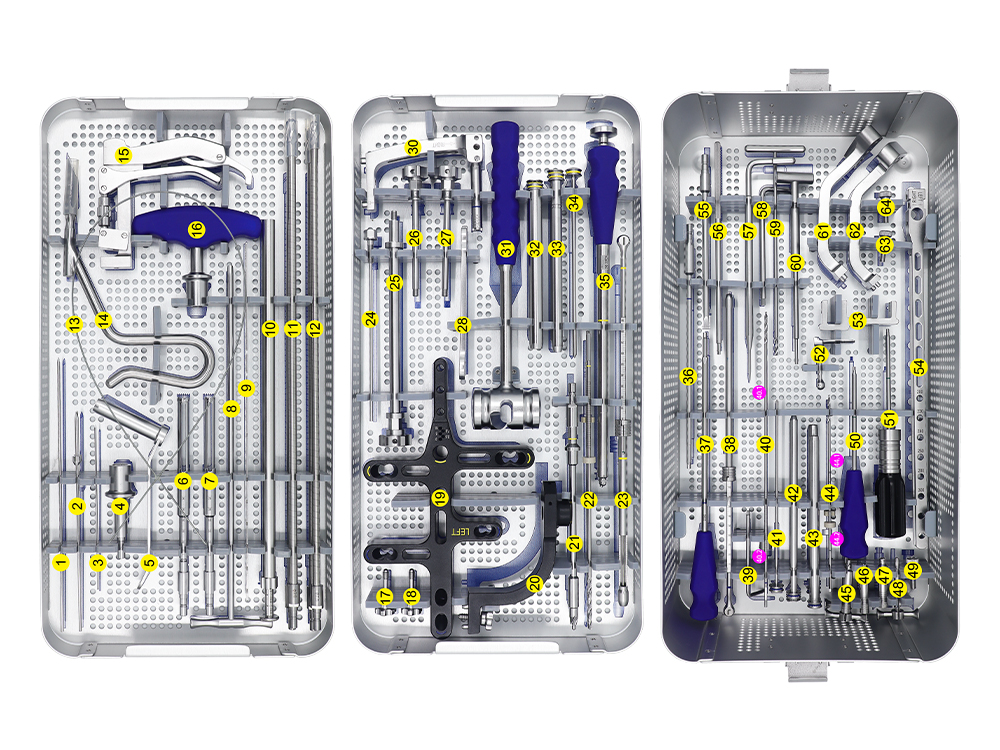
The multi-lock humeral intramedullary nail used in this procedure was recorded as 8.0 × 220 L. The implant configuration also included a 4.5 mm multi-lock screw (4.5 × 34), a 3.5 mm inside locking screw (3.5 × 40), and a 3.5 mm locking screw (3.5 × 40). The case presentation also includes the dedicated instrument set for the humeral nail system.
A 55-year-old male patient presented with humeral head fracture after an accident. Following a comprehensive assessment, the surgical team determined that fixation with a multi-lock humeral intramedullary nail was the optimal treatment plan.
Closed reduction and fixation with a multi-lock humeral intramedullary nail was performed. The implant design supports axial fixation and stable reconstruction of the proximal humerus.
The surgery was completed successfully. The patient achieved favourable postoperative recovery.
The case involved a 55-year-old male patient who sustained a humeral head fracture in an accident. The treated anatomical area was the proximal humerus.
The patient underwent fracture fixation using a multi-lock humeral intramedullary nail system.
The surgical summary describes the intramedullary nail as providing axial fixation to reconnect the fractured proximal humerus to the humeral shaft.
The source case document records a Multi-lock Humeral Intramedullary Nail with the specification 8.0 × 220 L.
The recorded implants included a 4.5 mm multi-lock screw (4.5 × 34), a 3.5 mm inside locking screw (3.5 × 40), and a 3.5 mm locking screw (3.5 × 40).
The case included preoperative imaging, intraoperative images of implant insertion and fixation, and postoperative radiographic imaging of the treated proximal humerus.
The case presentation includes the Multi-lock Humeral Intramedullary Nail Instrument Set alongside the implant system.
The case document reports a favourable postoperative recovery. It does not specify the follow-up duration or provide numerical shoulder function scores.

 Orthopedic Solutions for a Healthier Tomorrow
Reliable Implants | Professional Support | Better Care for Life