01
Preoperative Imaging
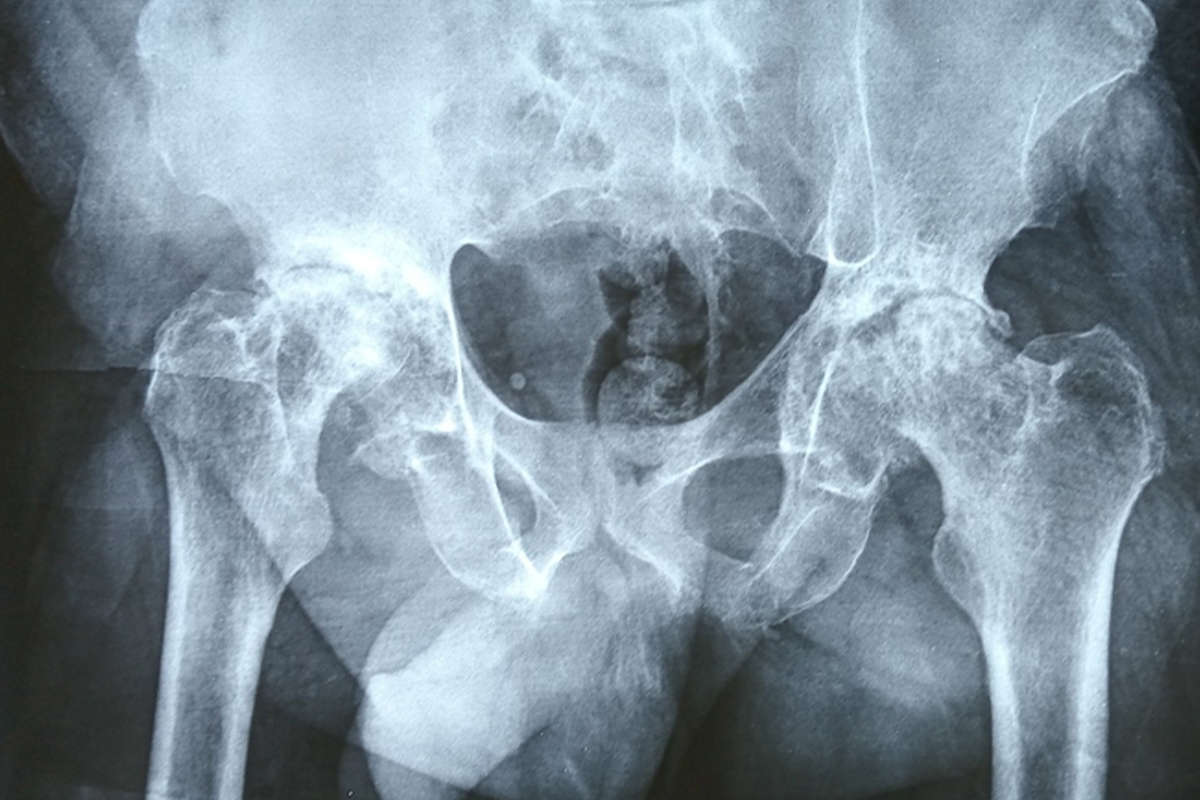
Preoperative pelvic radiograph before right total hip arthroplasty, showing degenerative changes in both hips.

Views: 0 Author: Jerry Publish Time: 2026-09-28 Origin: Site



Stable Reconstruction. Satisfactory Recovery.
“The surgery was successfully completed and the patient recovered well after the procedure.”

73-year-old male
Right Hip
Progressive bilateral hip pain
Right Primary Cemented Total Hip Arthroplasty
This case involved a 73-year-old male patient in Congo with progressive bilateral hip pain and difficulty walking for approximately 10 years. After clinical evaluation, a staged bilateral cemented total hip replacement strategy was selected. Because the right hip was more symptomatic, it was treated first with primary cemented total hip arthroplasty. The goals of the surgery were to relieve pain, improve hip function, and restore the patient’s mobility for better daily activities.
Preoperative pelvic radiograph before right total hip arthroplasty, showing degenerative changes in both hips.
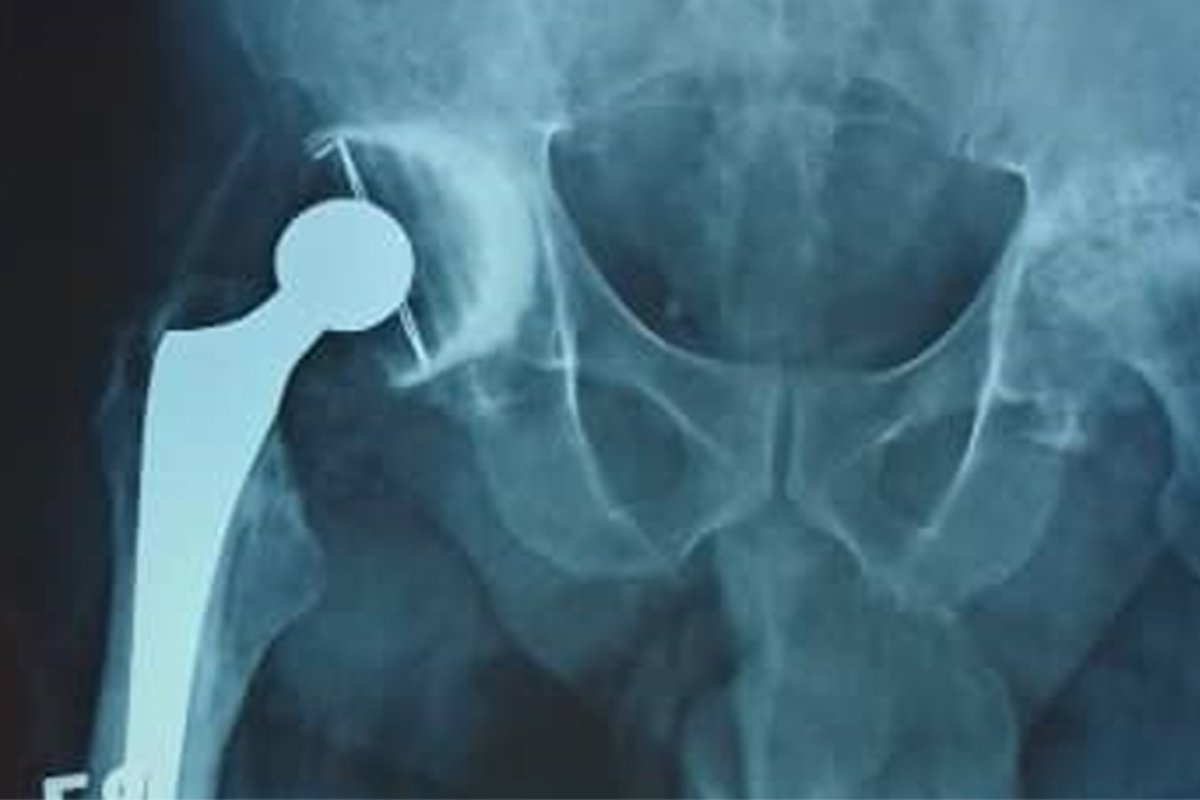
Immediate postoperative radiograph showing the right cemented total hip prosthesis after surgery.
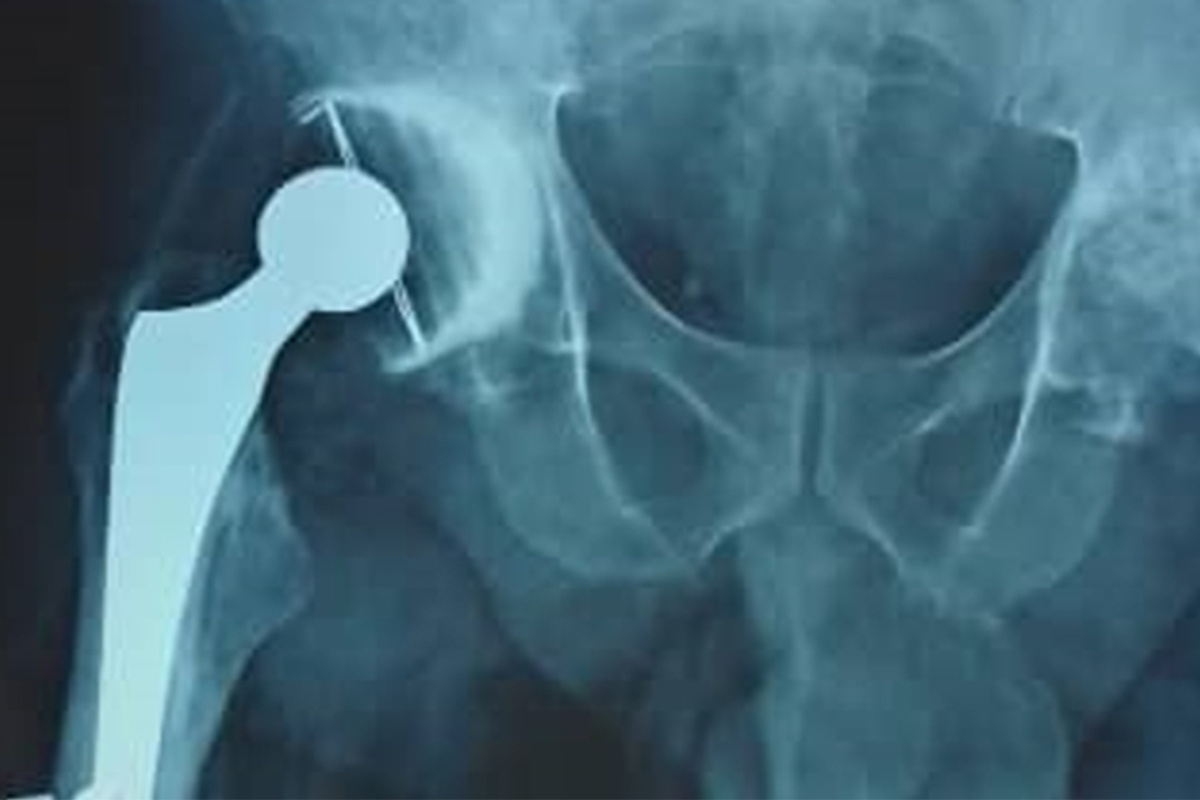
Follow-up radiograph at 2 months after right total hip arthroplasty, showing the reconstructed right hip.
The radiographic sequence documents the patient’s treatment pathway from preoperative evaluation to follow-up. The preoperative pelvic radiograph shows the hip condition before surgery. The immediate postoperative radiograph demonstrates the right cemented total hip prosthesis after surgery. A follow-up radiograph at two months postoperatively shows the reconstructed right hip.
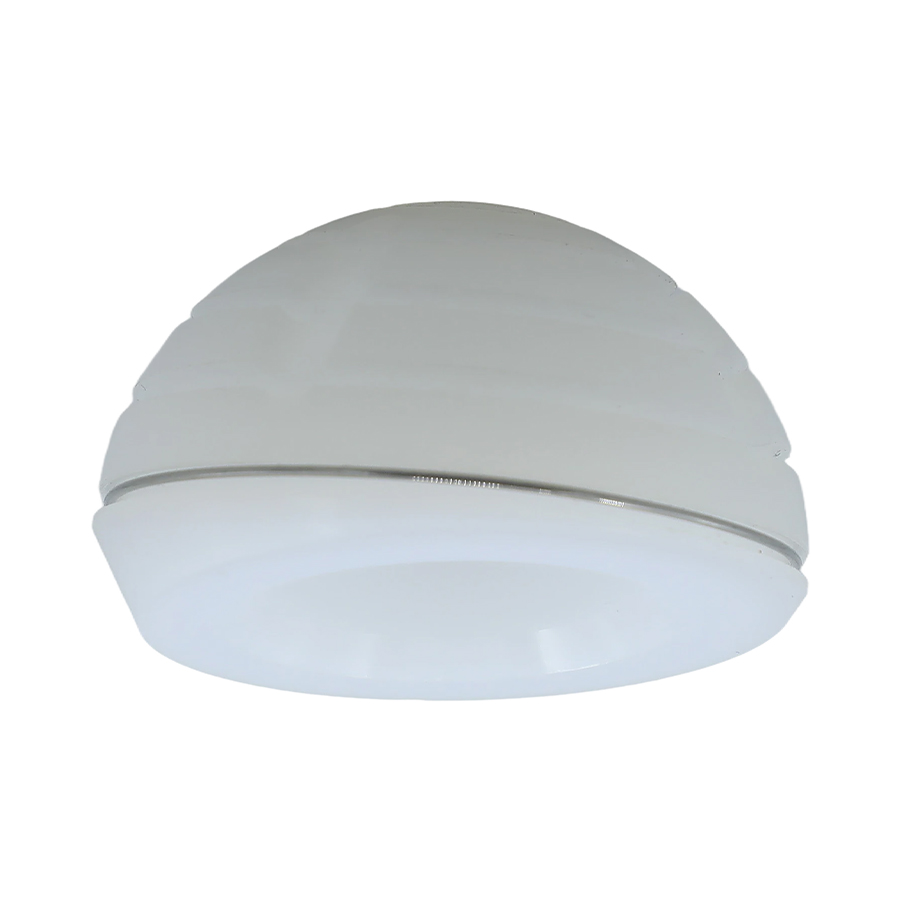
Cemented
Size: 52/28
Type: JX 21201
Ref: C6052

Ceramic
Size: 28M
Type: JX 40102
Ref: H10028M
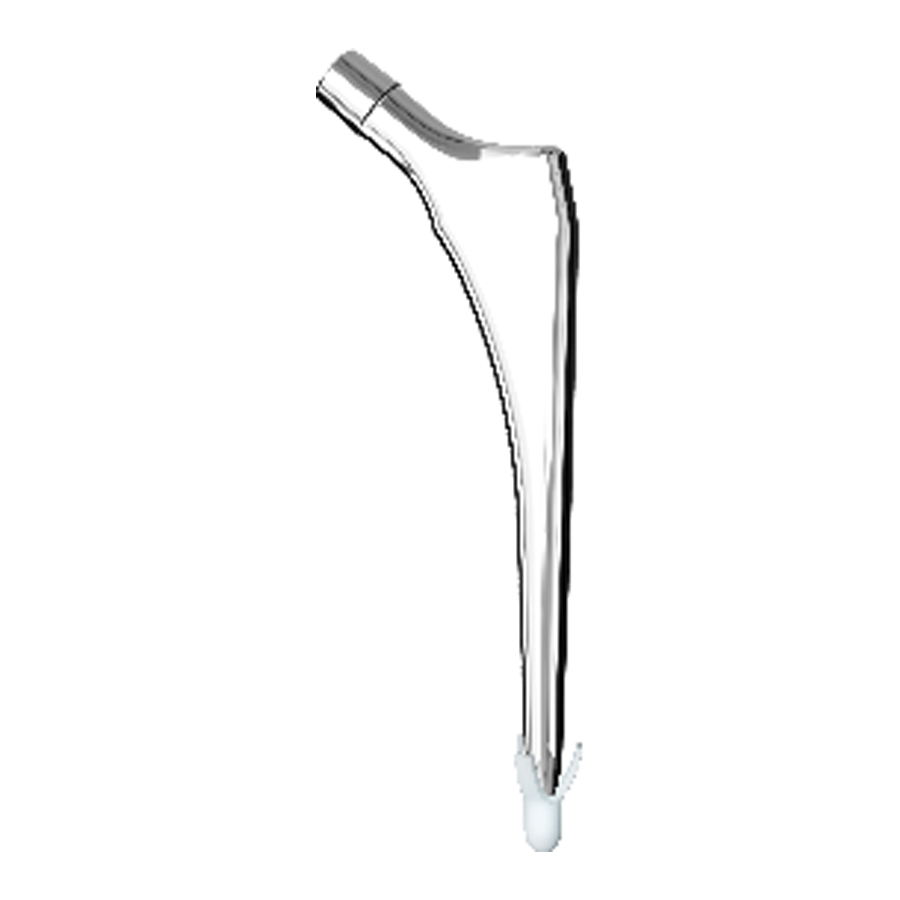
Size: 5
Type: JX 1401H
Ref: SC40509
The right total hip arthroplasty used a CZMEDITECH cemented hip prosthesis configuration consisting of a cemented acetabular cup, a ceramic femoral head, and an RCH cemented femoral stem. The selected components were combined as part of the primary cemented total hip replacement procedure. Product specifications, including size, type, and reference number, are shown above for each implant component.
Progressive bilateral hip pain and difficulty walking for approximately 10 years.
Staged bilateral cemented total hip replacement. The right hip was treated first because it was more symptomatic.
Date: June 11
General anesthesia
Lateral decubitus position
The surgery was successfully completed and the patient recovered well after the procedure.
A primary cemented total hip arthroplasty was performed on the right hip.
The right hip was more symptomatic, so it was selected for the first stage of the bilateral treatment plan.
A cemented total hip prosthesis configuration was used.
A cemented acetabular cup, ceramic femoral head, and RCH cemented femoral stem were used.
The procedure was performed using a Hardinge approach.
General anesthesia was used.
Yes. The case includes an immediate postoperative radiograph and a two-month postoperative follow-up radiograph.
The surgery was successfully completed and the patient recovered well after the procedure.

CZMEDITECH
Orthopedic Solutions for a Healthier Tomorrow